FounderFiles·N°003·Philosophy · Effective Altruism · AI Governance
1987 —
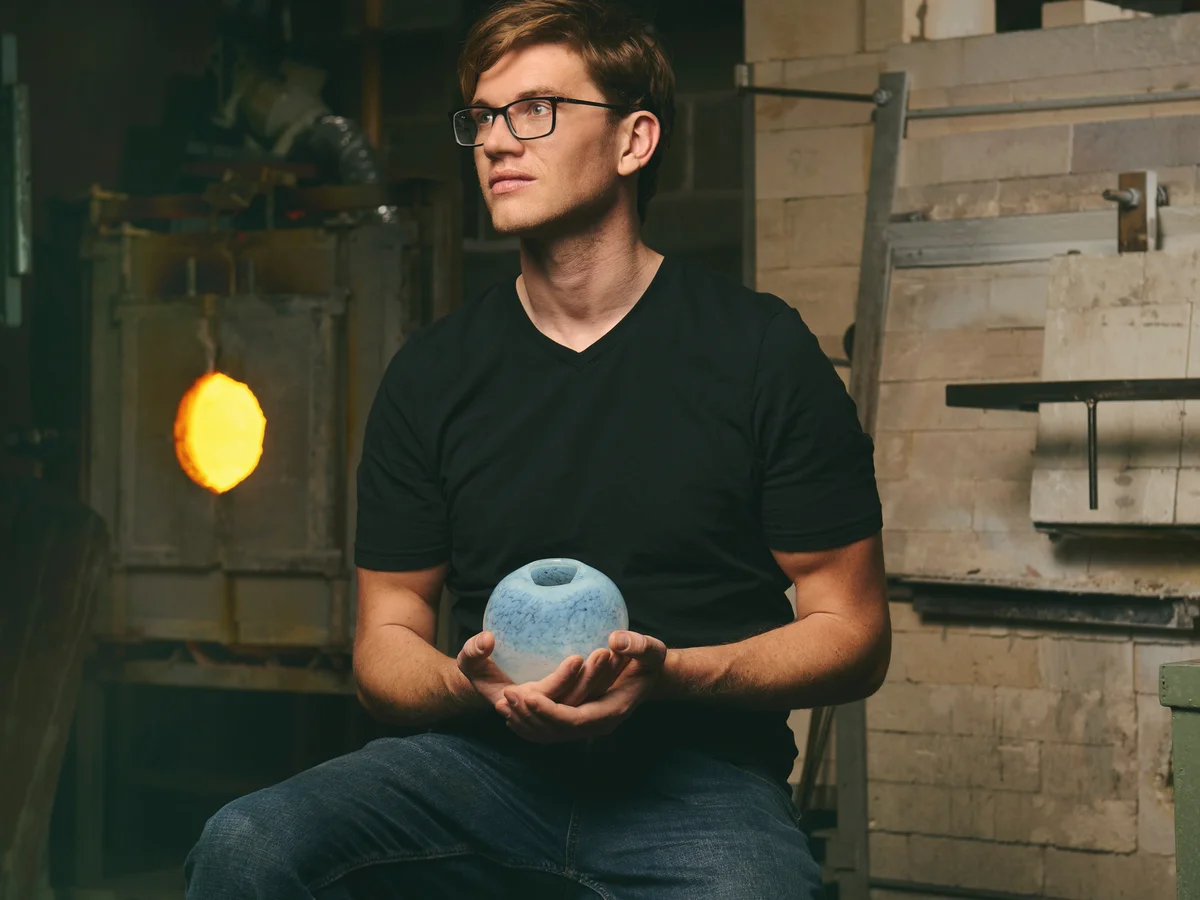
Subject·William MacAskill·Moral philosopher · Co-founder, Centre for Effective Altruism
Will MacAskill.
He built the institutional infrastructure that turned a small philosophical argument into one of the most influential movements in AI governance and longtermist thought.
MacAskill didn’t just argue that future people matter. He built the organizations, the career pipeline, and the cultural grammar that made that argument operationally powerful inside AI labs and governments.
Future people are not optional
MacAskill’s core contribution was never just the philosophical claim that future generations matter. Plenty of philosophers had said versions of that before. His move was to treat it as an **operational** problem: if future people have moral weight, then the highest-leverage thing a talented person can do is steer the trajectory of civilization at its most important moments.
This framing turned effective altruism from a donation philosophy into a **career and institution-building project**. It created a pipeline that funneled high-agency people into AI safety, biosecurity, and governance roles. Whether that pipeline was net positive is still being debated. What is not debatable is that MacAskill built one of the most effective talent funnels in the history of the AI alignment movement.
“The most important century is the one in which we develop advanced AI. We are living in it.”
Building the movement, not just the idea
In 2011, MacAskill co-founded the Centre for Effective Altruism with Toby Ord. Over the next decade, CEA became the central nervous system of the effective altruism movement: it ran 80,000 Hours, Giving What We Can, the EA Forum, and multiple global conferences. It professionalized what had been a loose network of philosophers and rationalists.
This institutional layer mattered enormously for AI. It created a shared language, a set of prestige signals, and a career track that made working on AI safety legible and high-status inside certain circles. Many of the people who later joined OpenAI, Anthropic, and various AI governance organizations passed through CEA or its adjacent institutions.
The bet on the most important century
MacAskill’s 2022 book *What We Owe the Future* crystallized “strong longtermism” — the view that the primary moral priority of our time is to positively influence the long-run future. The book explicitly frames advanced AI as one of the most important developments in human history, and therefore one of the highest-stakes areas for careful action.
This framing had real effects inside AI labs. It gave intellectual cover and moral urgency to people working on alignment and governance. It also created tension: once you accept that the long-term future may be decided in the next few decades by AI, the pressure to move fast (or to slow down) becomes extremely high. MacAskill’s own position has been relatively cautious compared to accelerationist voices, but the intellectual architecture he helped build is now being used by people on multiple sides of the debate.
“We are living in the most important century in human history. What we do now may affect the entire future of consciousness.”
Inside the room, then outside it
In 2023, MacAskill joined the OpenAI board briefly during the dramatic governance crisis. His presence on that board was symbolic of how far the effective altruism movement had penetrated into frontier AI labs. The experiment did not last long.
Since then, MacAskill has largely stepped back from formal leadership roles inside EA organizations while continuing to write and think. The movement he helped build is now bigger than any single person — and is also fracturing along familiar lines around AI strategy, speed, and power.
- 1987Born in Glasgow, Scotland.
- 2009Graduates from University of Edinburgh with degree in philosophy.
- 2011Co-founds Centre for Effective Altruism (CEA) with Toby Ord.
- 2012GWWC (Giving What We Can) launches publicly.
- 2015Publishes Doing Good Better — popularizes effective altruism.
- 2016–17Becomes prominent voice in AI safety and longtermism.
- 2022Publishes What We Owe the Future — major statement of strong longtermism.
- 2023Steps back from day-to-day leadership at CEA.
- 2024–25Continues writing and research on AI governance and moral uncertainty.
- 2015Doing Good BetterGuardian Books →
- 2017Effective Altruism: IntroductionEssays in Philosophy
- 2022What We Owe the FutureBasic Books →
- 2022The Case for Strong LongtermismGlobal Priorities Institute working paper
Born 1987 in Glasgow, Scotland. Education University of Edinburgh; DPhil in Philosophy, University of Oxford.
Key organizations. Centre for Effective Altruism (co-founder); 80,000 Hours; Giving What We Can; Global Priorities Institute.
Notable roles. Brief member of the OpenAI Board (2023). Author of *Doing Good Better* (2015) and *What We Owe the Future* (2022).
Legacy. Built much of the institutional and cultural infrastructure that made effective altruism and longtermism legible and influential inside AI labs and policy circles.