01
Story Extraction
Turn founder, customer, and market signal into durable narrative assets.
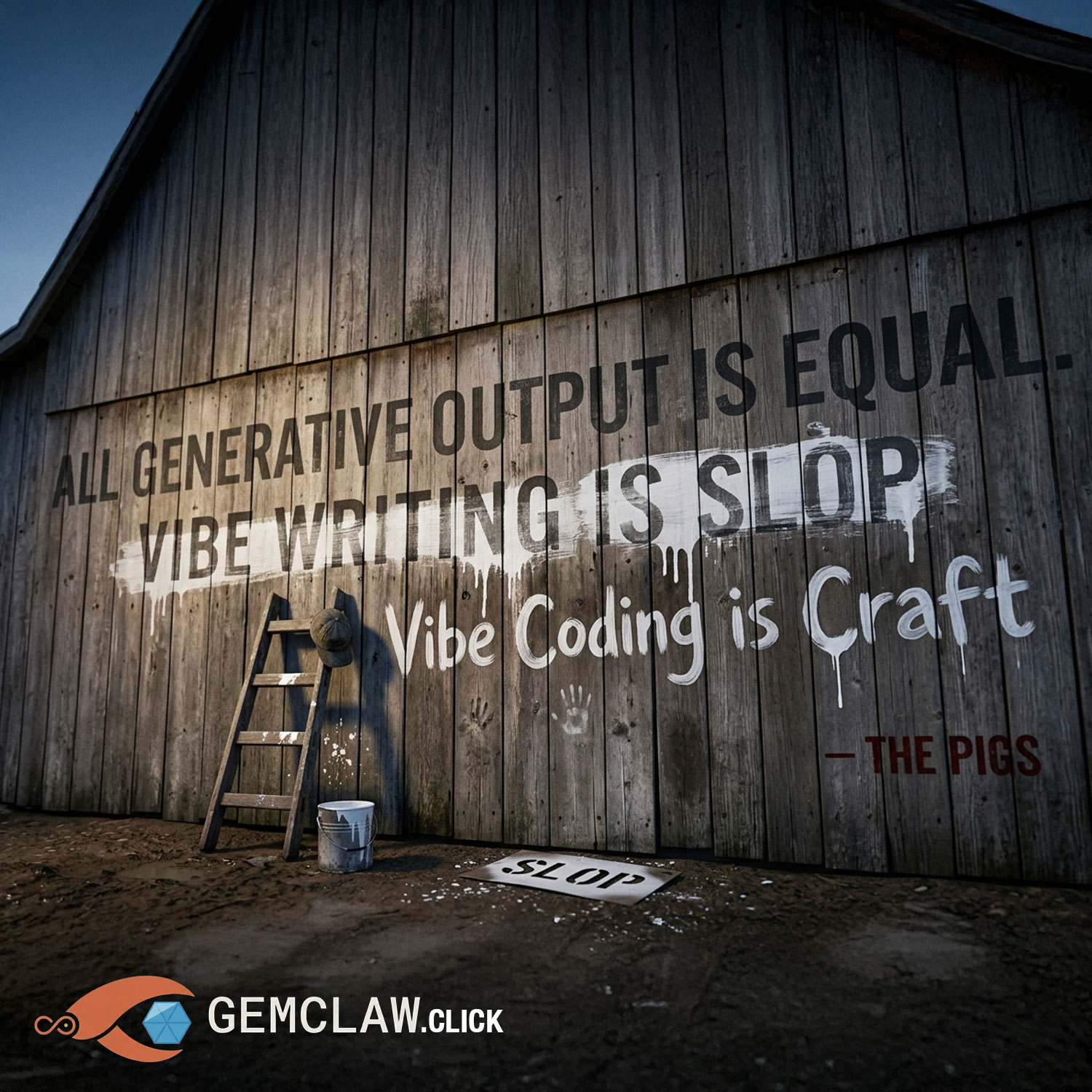
Est. 2026 - Live from the research notebook
Content systems that research, write, design, and ship themselves — designed and run by one content strategist. This site is the working proof.
A decade in email security at Mimecast — IPO through take-private · Visuals for a 2014 Netflix special
Case studies · Client-ready systems
Abnormal Security · Email security
A client-ready content engine scoped to an AI-native email security company — source research, editorial, and an activation plan shipped as one artifact.
RA Capital · Research pipeline
A knowledge-graph-grounded editorial pipeline with an honesty ledger, data-quality gates, and an expert judgment layer.
Format R&D · Interactive
Research papers rebuilt as interactive explainer formats — the R&D bench where new editorial forms get prototyped.
How these get made: the methodology →
Paste a long-form podcast interview. Gemini ingests the YouTube URL natively — video, audio, timestamped transcript, and metadata in one call — and the pipeline returns a source-anchored interactive explainer: the TL;DR, the load-bearing insights, and a seat in a live correlation matrix where compressed interviews argue with each other.
Flagship · Agentic longform at scale
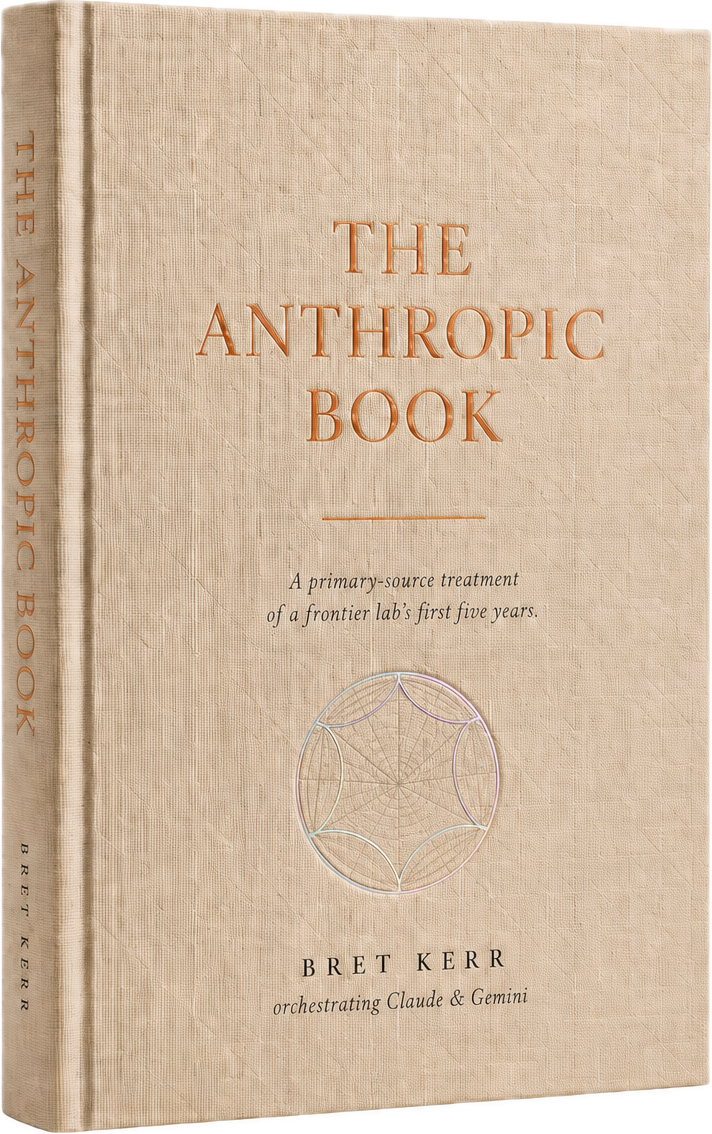
The Anthropic Book is a primary-source-anchored treatment of Anthropic's first five years, built from 727 documents. Every quoted passage is verbatim and substring-verified.
727
source documents
~1.4M
words
18
chapters
21.2k
chunks
EPUB
PDF + audiobook
Mechanistic interpretability · Runnable
Transformer Atlas runs GPT-2 small through TransformerLens, then turns the picture into an experiment: form a circuit hypothesis, ablate an attention head, rerun the forward pass, and measure whether the prediction actually changes. One head that looks like a textbook induction head drops P(“ Alice”); a second head with the same-looking pattern moves it the other way. Every number is recomputed from the real residual stream.

Reasoning capture · Method
I recorded Claude Sonnet 5's full reasoning while it ran my research-transformation skill. It overruled the report that agreed with me, adopted the adversary's correction, and hunted for its own counterexample — before writing a single line of publishable copy.
7
corrections adopted from the adversarial report
9
phases of deliberation before any output
7
anchors merged from two opposed research briefs
45
thought units captured end to end
An Oral History · Context Jamming
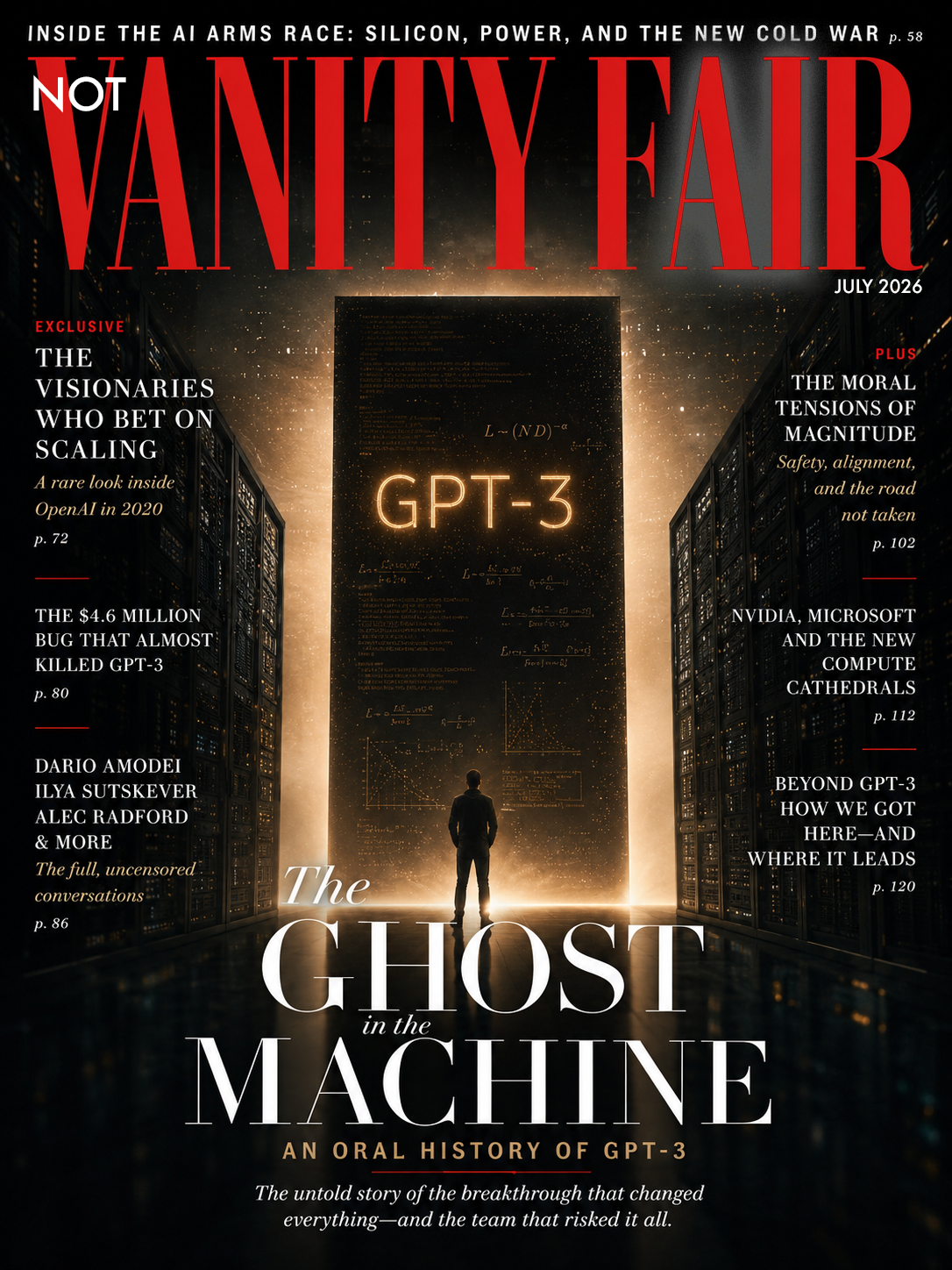
An Oral History of GPT-3 and the Dawn of the Scaling Era — fourteen voices from inside OpenAI on the paper that started everything.
~11 min read · 5 chapters · interactive companion
GTM Strategy · Agent Layer
Calvin French-Owen — Segment co-founder, ex-OpenAI Codex — named the shift that every developer tool company needs to understand right now: the agent layer already has your number. Or it doesn't. And that gap is widening daily.
On a recent episode of Y Combinator's Lightcone podcast, Calvin French-Owen said something quietly devastating to anyone building developer tools without a GEO strategy: agents are already making recommendations about your product. The question isn't whether to optimize for them — it's whether you realize the evaluation has already started.
The clip is 90 seconds. The implication is enormous. Generative Engine Optimization — how your product shows up when a developer asks an AI what tool to use — is no longer a future-state concern. It is the current state of developer tool discovery, and it rewards the same inputs that most dev tool companies have historically deprioritized: documentation quality, community presence, and structured social proof.
French-Owen is not a casual observer here. He co-founded Segment (acquired by Twilio for $3.2 billion in 2020), spent a year at OpenAI building Codex from scratch in a seven-week sprint, and is now one of the sharpest independent voices on how agentic development workflows actually function. When he says GEO matters, it's coming from someone who has been on both sides of the recommendation surface — as a founder trying to get discovered, and as an engineer building the systems that do the discovering.
“One of the companies I advise was talking about their GEO strategy — generative engine optimization — how you show up in chatbots... having good docs that are out there, social proof, maybe being posted on Reddit a little more — all of that helps your case tremendously.”
— CALVIN FRENCH-OWEN · SEGMENT CO-FOUNDER, EX-OPENAI CODEX · LIGHTCONE PODCAST (YC)
The mechanism here is worth understanding precisely. When a developer opens Claude, Cursor, or ChatGPT and asks "what's the best tool for X,"the model doesn't run a web search in the traditional sense. It synthesizes across everything it was trained on and everything it can retrieve: your documentation, your GitHub readme, your Stack Overflow mentions, your Reddit threads, your blog posts, your changelogs. It builds a composite signal — and from that composite, it renders a recommendation.
That recommendation is your new homepage for a significant and rapidly growing segment of technical users.
527%
YoY growth in AI-referred sessions, Jan–May 2025
4.4×
higher conversion rate from AI-referred vs. organic traffic
24%
conversion rate from ChatGPT traffic at Webflow — 6× Google's rate
Here is what makes GEO distinct from SEO: the evaluation is invisible to you, but consequential. In traditional search, you can see your ranking. You can monitor impressions, clicks, and position changes. The feedback loop, while slow, is legible.
With agent-layer discovery, there is no dashboard. A developer in Berlin asks Claude which database client to use for their Go project. Claude aggregates what it knows about the options — and your product either surfaces with clear framing and confidence, or it gets a qualified mention, or it doesn't come up at all. That decision happened without any log entry on your side. No UTM parameter, no referral, no session.
When traffic does arrive from LLM referral, the behavioral data is striking. AI-referred visitors convert at 4.4× the rate of traditional organic search visitors and spend 68% more time on-site. Webflow has reported that 10% of its signups now come from AI discovery, growing 4× year-on-year, with ChatGPT traffic converting at 24% — six times Google's rate. The visitors arriving from AI recommendation have already narrowed their options before they click. They arrive with intent, not curiosity.
But they only arrive if the model knew enough about you to send them.
The Previsible State of AI Discovery Report analyzed nearly 2 million LLM-driven sessions across 12 months and found that AI traffic concentrates disproportionately on decision pages — industry comparison pages showed 1.14% AI penetration versus a 0.13% site average. These are exactly the pages where a competitor with better GEO wins the comparison.
GEO matters across industries, but developer tools are the highest-stakes early arena for a structural reason: developers are the primary early adopters of AI assistants, and they use those assistants in their work context — which is precisely the context where they need tool recommendations.
The developer asking Claude "what package should I use for rate limiting in Node.js?" is asking in the middle of a coding session, inside their workflow, with high intent to implement a solution. This is the precise moment where a tool recommendation converts. The question isn't whether AI will influence that decision — it already does. The question is whether your documentation structure, your community presence, and your content strategy make you the answer.
Microsoft Copilot's growth pattern reinforces this. Copilot grew 20× in the first half of 2025, and its expansion is specifically concentrated in workplace-embedded contexts — inside Excel, inside VS Code, inside Teams. When a developer is already inside their toolchain and asks for a recommendation, Copilot answers from that context. The proximity advantage of embedded AI tools means software evaluation now happens inside the work environment itself, not in a separate search session.
Your documentation is not onboarding material. It is your pitch to every agent in the loop — and that evaluation is already running.
— BRET KERR · CONTEXT JAMMING · JUNE 2026
French-Owen's framing is precise: docs quality, social proof, and community presence. These aren't soft marketing suggestions — they map directly to how language models construct confidence in a recommendation. Each signal has a specific mechanism.
GEO Signal Framework · Developer Tools
Documentation Quality — Agent-Parseable
LLMs treat your docs like an API response that must be parsed, vectorized, and cited. Semantic clarity, explicit Q&A structure, concrete examples, and well-scoped conceptual boundaries all increase citation likelihood. Sparse or poorly structured docs aren't just bad UX — they're invisible to the retrieval layer. Think of your readme as a cover letter to every model that will ever be asked about your category.
Social Proof — Agent-Indexed
Reddit threads, Hacker News discussions, Stack Overflow answers, blog posts, and community comparisons are among the highest-signal inputs to model training and retrieval. A developer asking "is X library actively maintained?" is effectively prompting the model to synthesize community sentiment. Your presence in those conversations — and whether you show up as the recommended answer or the cautionary tale — is a GEO variable you can influence.
Community Presence — Agent-Surfaced
GitHub star count, issue activity, changelog freshness, tutorial ecosystem breadth, and integration coverage all contribute to a model's confidence that a tool is actively maintained and widely used. A tool with 200 stars and one readme versus a tool with 200 stars, twelve integration guides, and an active Discord will surface differently — not because of the stars, but because of the surface area of corroborating signal.
The tactical implication is straightforward, even if execution is not: content and community work that was previously treated as top-of-funnel brand investment is now directly load-bearing for agent-layer discovery.The developer relations team posting on Reddit isn't just building goodwill. They're training the retrieval layer. The technical writer cleaning up the API reference isn't just improving DX. They're optimizing the pitch that Claude will synthesize the next time a developer asks which HTTP client to use.
The surface similarity between GEO and SEO obscures an important architectural difference. SEO optimizes for ranking position in a list of results. The user sees multiple options and chooses. GEO optimizes for selection in a synthesized answer. The model chooses — and often presents a primary recommendation with alternatives framed as secondary.
This changes the competitive dynamics significantly. In SEO, appearing on page one is a win. In GEO, appearing as the first recommendation is qualitatively different from appearing as a secondary option. The model's framing of your tool — the confidence with which it recommends you, the caveats it attaches, the alternatives it surfaces — is the entire ballgame.
It also changes the feedback loop. Traditional SEO has a crawl-rank-click cycle that takes weeks and produces measurable signals. GEO operates through training data, retrieval indexing, and live synthesis — a process that is less legible and harder to instrument. The early GEO teams are building custom monitoring: prompting models directly to ask about their category, tracking how their product is described versus competitors, and treating the model's language about their tool as a leading indicator of developer perception.
Some technical teams are already building GEO monitoring systems by querying Claude and ChatGPT APIs directly with standardized prompts — tracking not just whether they're mentioned, but how they're characterized, which caveats surface, and which alternatives are recommended alongside them. This is the new competitive intelligence surface.
There's a deeper pattern here that connects GEO to the broader thesis of this publication. The agent layer is not just a new distribution channel. It is a reflection of how AI systems construct knowledge and confidence — and that construction process is shaped by the architecture of what's available to retrieve.
When Boris Cherny describes uncorrelated context windows in Claude Code — sub-agents with clean slates reviewing work without anchoring to the orchestrator's history — he's describing a system that relies on high-quality, self-contained documentation to orient each fresh context. The same structural logic applies to GEO: a model asked to recommend a developer tool is effectively spinning up a fresh evaluation, and the quality of the documentation and community signal it can retrieve determines the confidence and specificity of its recommendation.
Your documentation isn't just for human developers navigating your product. It is the primary input to every autonomous evaluation of your product that the agent layer will ever run. As agentic workflows expand — as developers delegate more tool selection to their AI assistants — that evaluation surface expands with it. The companies building documentation as a first-class product artifact, not a post-shipping afterthought, are accumulating a compounding advantage in the agent layer that will be difficult to close.
French-Owen noted it almost offhandedly. But in the context of where agentic development is going, it's one of the most important GTM insights in the current cycle: the developers who win at GEO will not do so by gaming a system. They'll do it by building the kind of documentation, community presence, and social proof that makes an agent confident in recommending them — which, it turns out, is also exactly what makes a human developer confident in choosing them.
The optimization and the product are the same thing.
Source: Y Combinator Lightcone Podcast — "We're All Addicted to Claude Code" (Feb 2026). Calvin French-Owen with Garry Tan. Timestamp 8:29. youtu.be/qwmmWzPnhog · Traffic data: Previsible State of AI Discovery Report (Nov 2025), Search Engine Land (Aug 2025), Growth Unhinged/Webflow case study (Jan 2026), Contentsquare AI Benchmark (Apr 2026).
Context Jamming · Subscribe
AI research, GTM strategy, and agentic workflow architecture for builders and practitioners — published on Substack.
Read on Substack →§ An editorial franchise · Serialized founder profiles
Six shapes of builder cognition. Which one are you?
Agentically orchestrated editorial profiles of the operators, researchers, and theorists influencing the agentic era.
Every file now carries a Career Shape — a projection onto a six-archetype basis of builder cognition. Each profile also ships a downloadable Founder Context JSON— a reasoning persona you can inject into a chat or deep-research context to assess a problem through that founder’s operating model.
N°028
π-BridgeGeometric topologist · Professor & Sid W. Richardson Foundation Regents Chair, UT Austin
The low-dimensional topologist who proved the Conway knot is not smoothly slice by preserving its four-dimensional trace and changing the knot until an existing invariant could see it.

N°029
I-Beam TheoristFounder & CEO, Extropic · Mathematical Physicist
A mathematical physicist who argues that probabilistic computation should harness thermal noise rather than spend energy suppressing it.
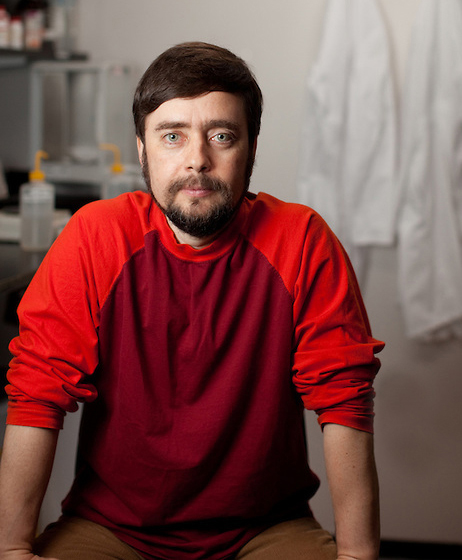
N°051
I-Beam TheoristDevelopmental biologist · Theorist of basal cognition
The I-Beam theorist who treats biology as an agential software stack: find the goal represented by a cellular collective, identify the communication layer through which it remembers that goal, and intervene there instead of micromanaging every component.
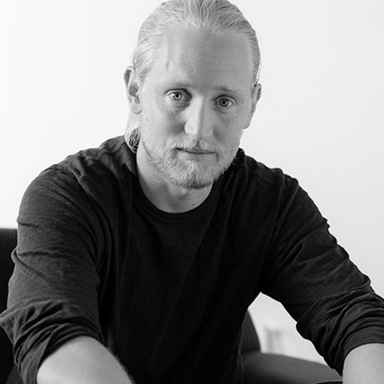
N°038
I-Beam TheoristGlobal Chief Creative Officer, Mother
The creative-rigor architect who applies Sadfield literalism and legal precision to locate the single unusual connection between a brand’s essential truth and its cultural expression — from Droga5 challenger work to Mother London and Anthropic’s Keep Thinking.

N°027
π-BridgeHead of Science, Biohub (CZI) · Founder, ESM · Co-founder, EvolutionaryScale
The Jared Kaplan of computational biology. From the ESM project at Meta FAIR through EvolutionaryScale’s $142M frontier bet to Head of Science at Biohub, Rives drove one thesis to maximal depth — the Bitter Lesson applies to biology — and proved power-law scaling holds for the language of life. In May 2026 he moved the frontier open: ESMC, ESMFold2, and a 6.8-billion-protein Atlas under an MIT license, commoditizing the base layer of generative biology and re-pricing the moat.
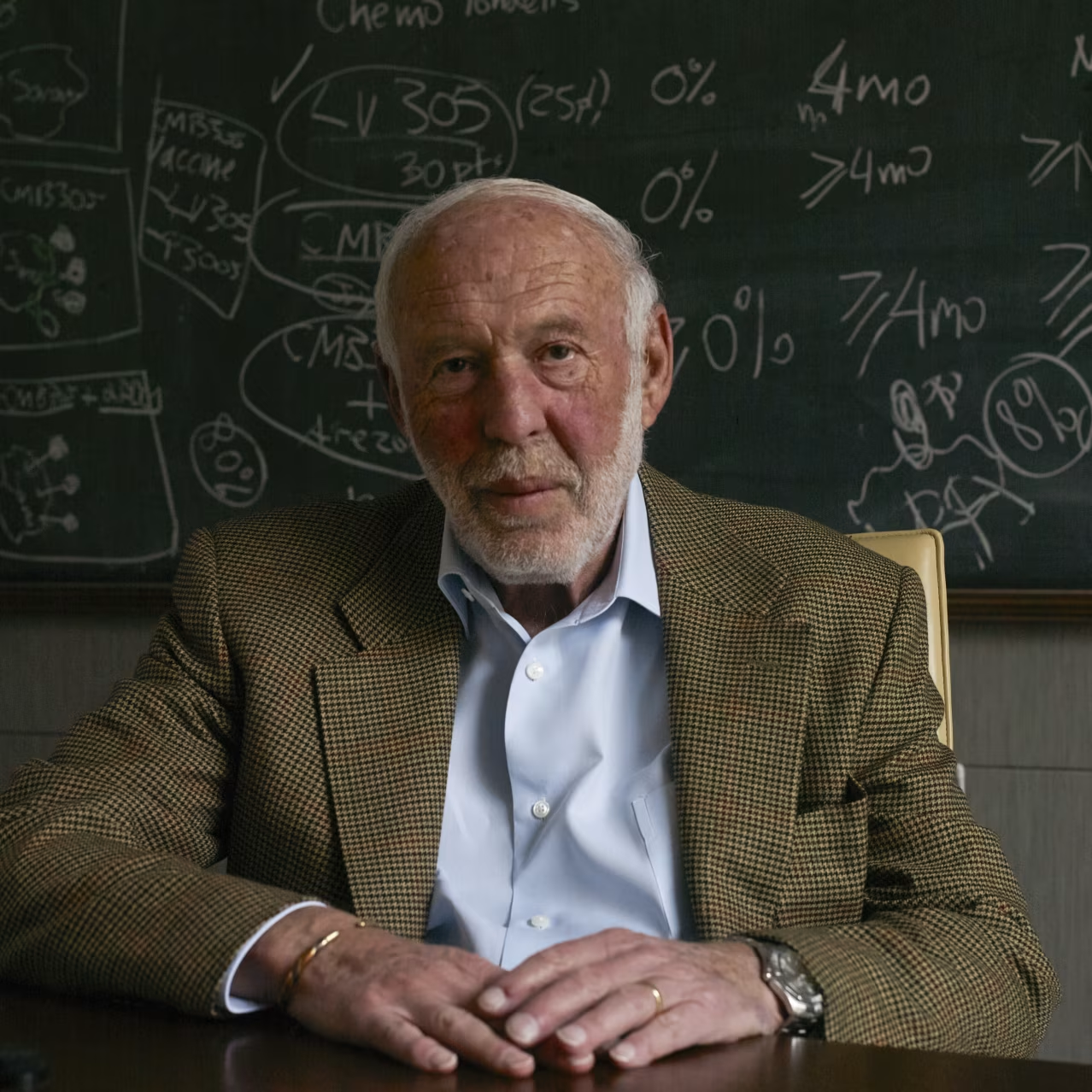
N°026
π-BridgeMathematician · Founder, Renaissance Technologies · Simons Foundation
The geometer who decoded markets as high-dimensional physical systems. Built the Medallion Fund — the most profitable trading vehicle in history — then redirected the output into the computational infrastructure of modern basic science via the Flatiron Institute and SFARI.
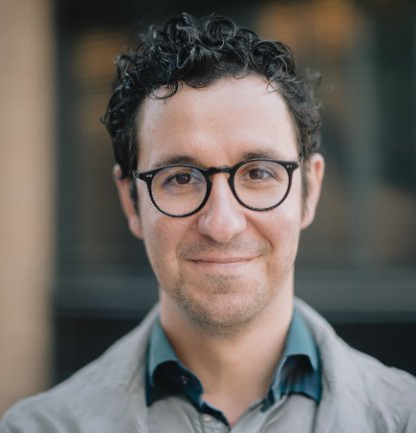
N°025
π-BridgeHead of Product Design, Anthropic · Architect of Agentic Orchestration
From Quora’s reputation mechanics and Airtable’s composable primitives to Claude’s creative friction and Claude Code’s orchestration layer, Lewenstein designs grammars that structure generative output without scripting it.
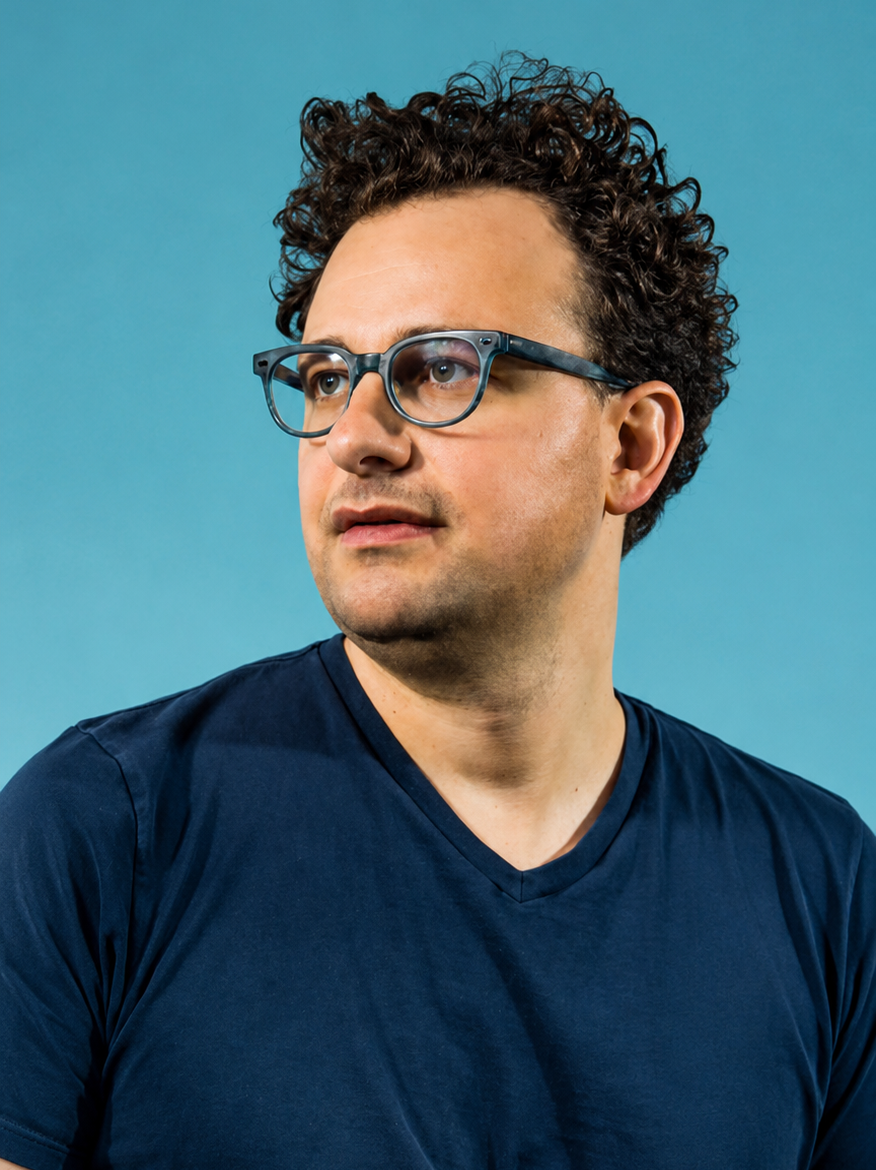
N°024
I-Beam TheoristCo-founder & CEO, Anthropic · Physicist of Legible Intelligence
The I-Beam mind who learned, on the retina, to make the collective behavior of an opaque system legible — then performed the same move on scaling, language, alignment, and the institution itself, until a lab he built was priced like a sovereign. Architectural Determinism, primary case.
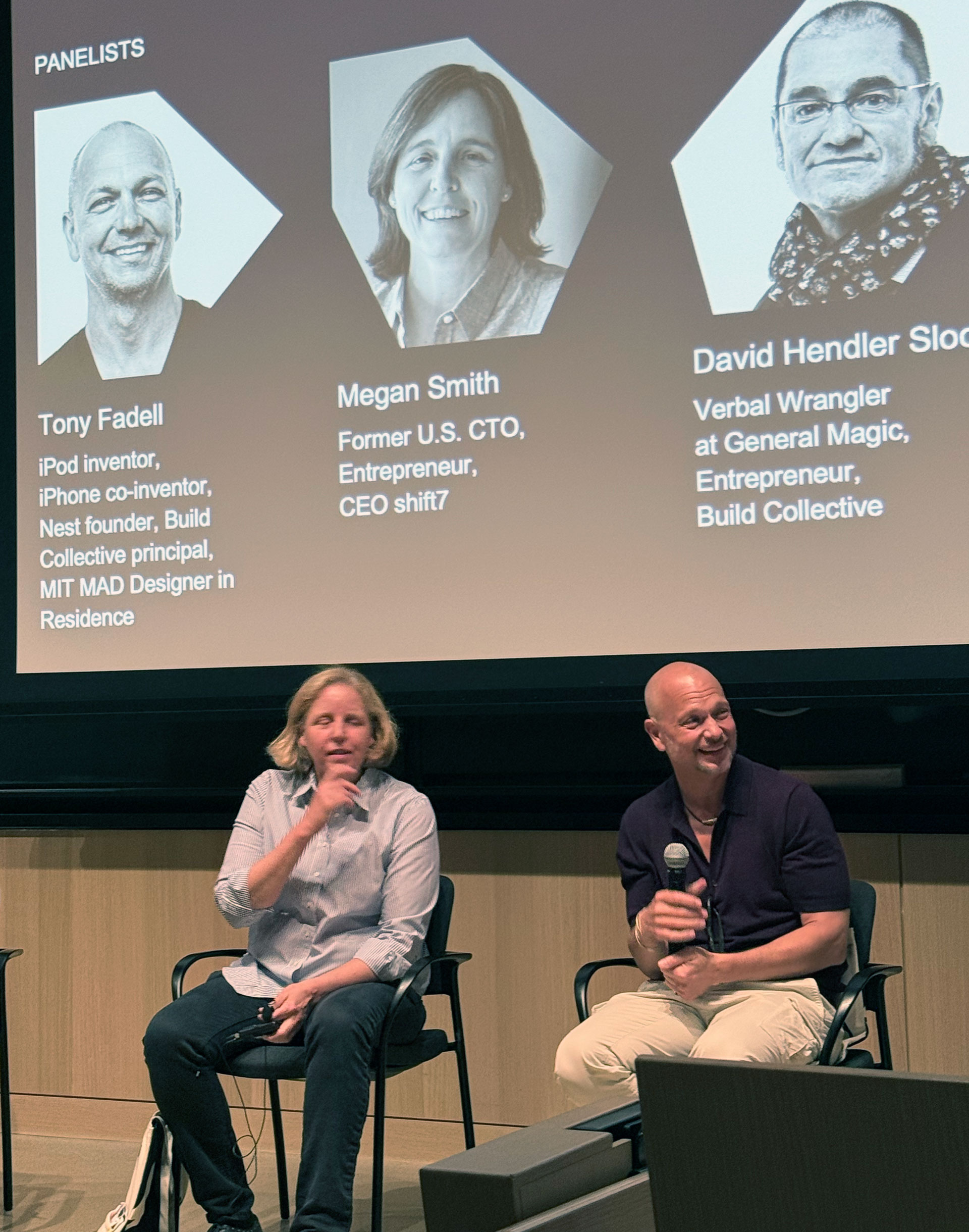
N°001
Comb OperatorCo-inventor, iPod & iPhone · Founder, Nest · Designer in Residence, MIT MAD
A thirty-year seminar in atoms over bits. From General Magic to the iPod to Nest to MIT — Fadell’s career is a working argument that the rare hard thing is the timing, the team, and the willingness to ship the unfashionable version of the right product.

N°002
Tree-Canopy AutodidactCo-founder & Head of Interpretability · Anthropic
From the Google Brain Circuits thread to Distill to the sparse-autoencoder wave that cracked polysemanticity open — a decade teaching the field how to see inside neural networks.
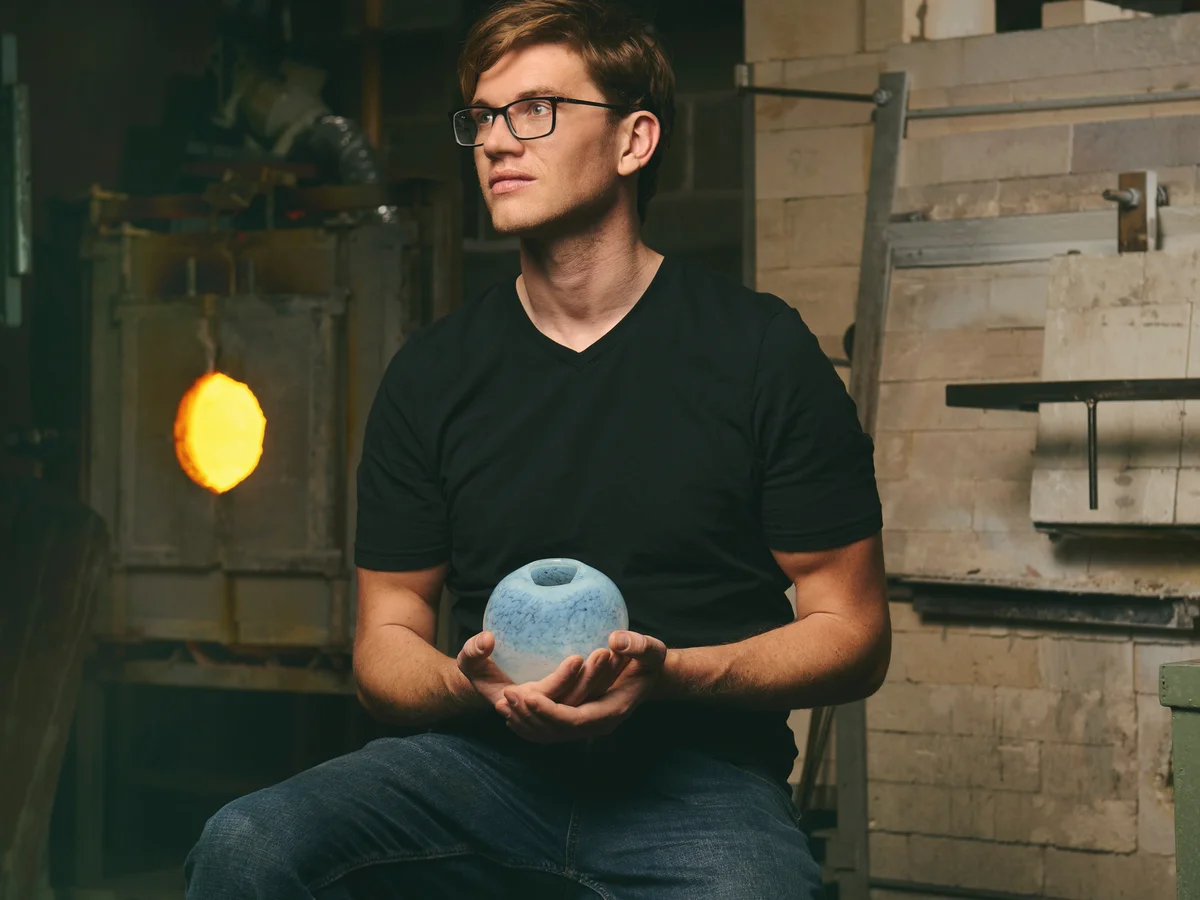
N°003
π-BridgeMoral philosopher · Co-founder, Centre for Effective Altruism
Built the institutional infrastructure and talent pipelines that turned effective altruism and longtermism into operational forces inside frontier AI labs and governance.

N°004
I-Beam TheoristPediatrician · Immunologist
A working immunologist on what the AI safety field gets right and wrong about the human immune system as an existence proof for adversarial-but-benign learning.
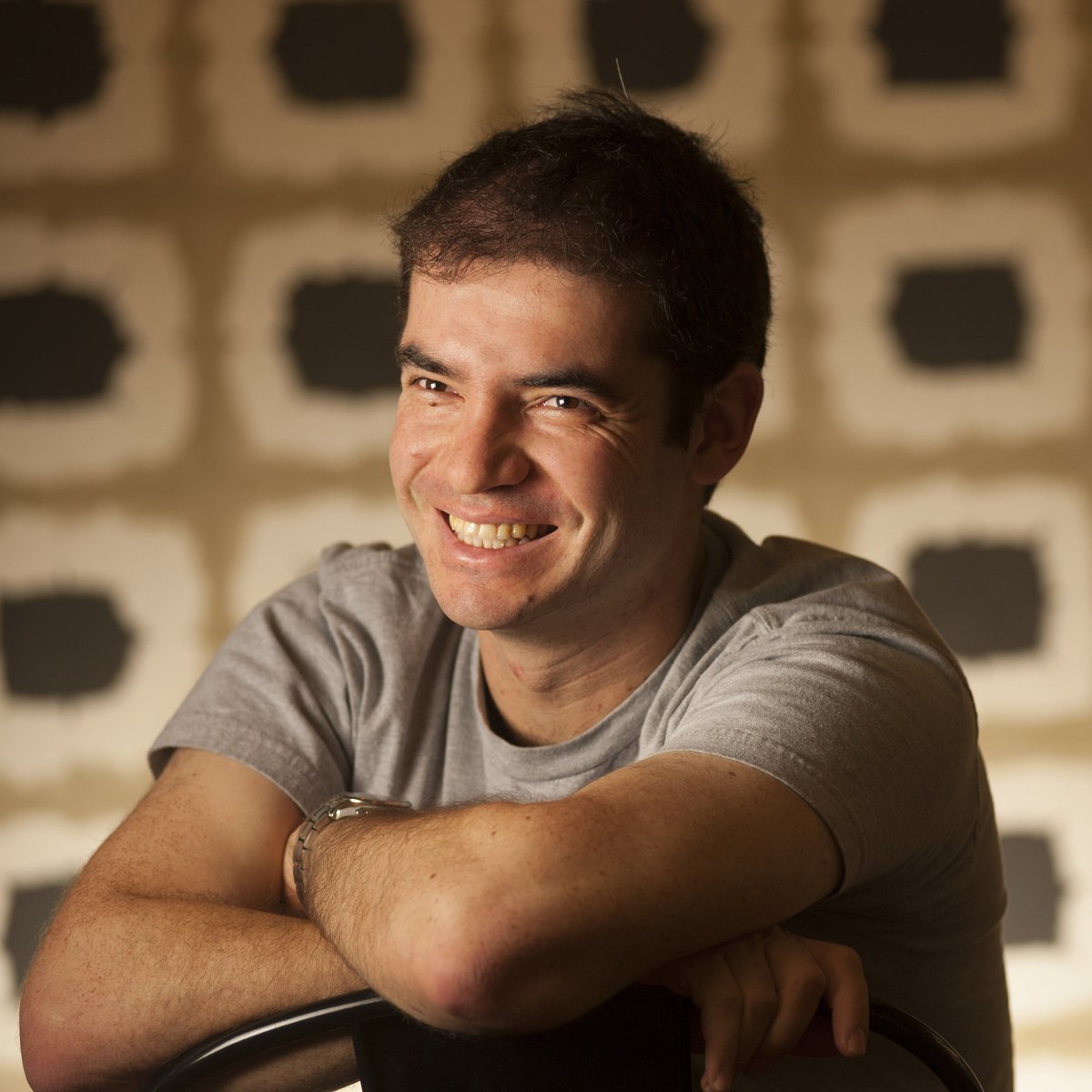
N°005
I-Beam TheoristCo-founder, OpenAI & Safe Superintelligence
The arc from AlexNet to the seq2seq paper to GPT to the SSI bet — and the question every other founder file in this series has to answer.
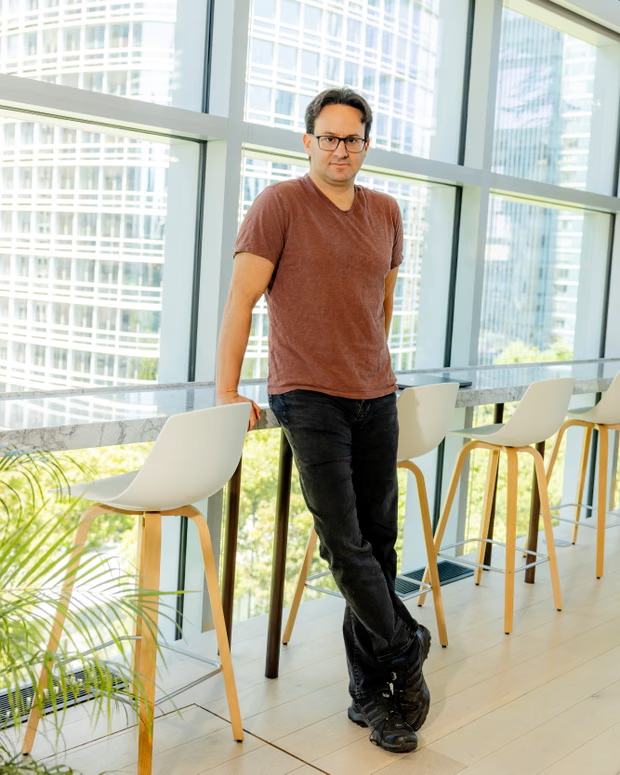
N°006
π-BridgeCo-founder & Chief Science Officer · Anthropic
Theoretical physicist turned scaling-laws author. AdS/CFT holography sitting underneath the loss curves of every modern foundation model.
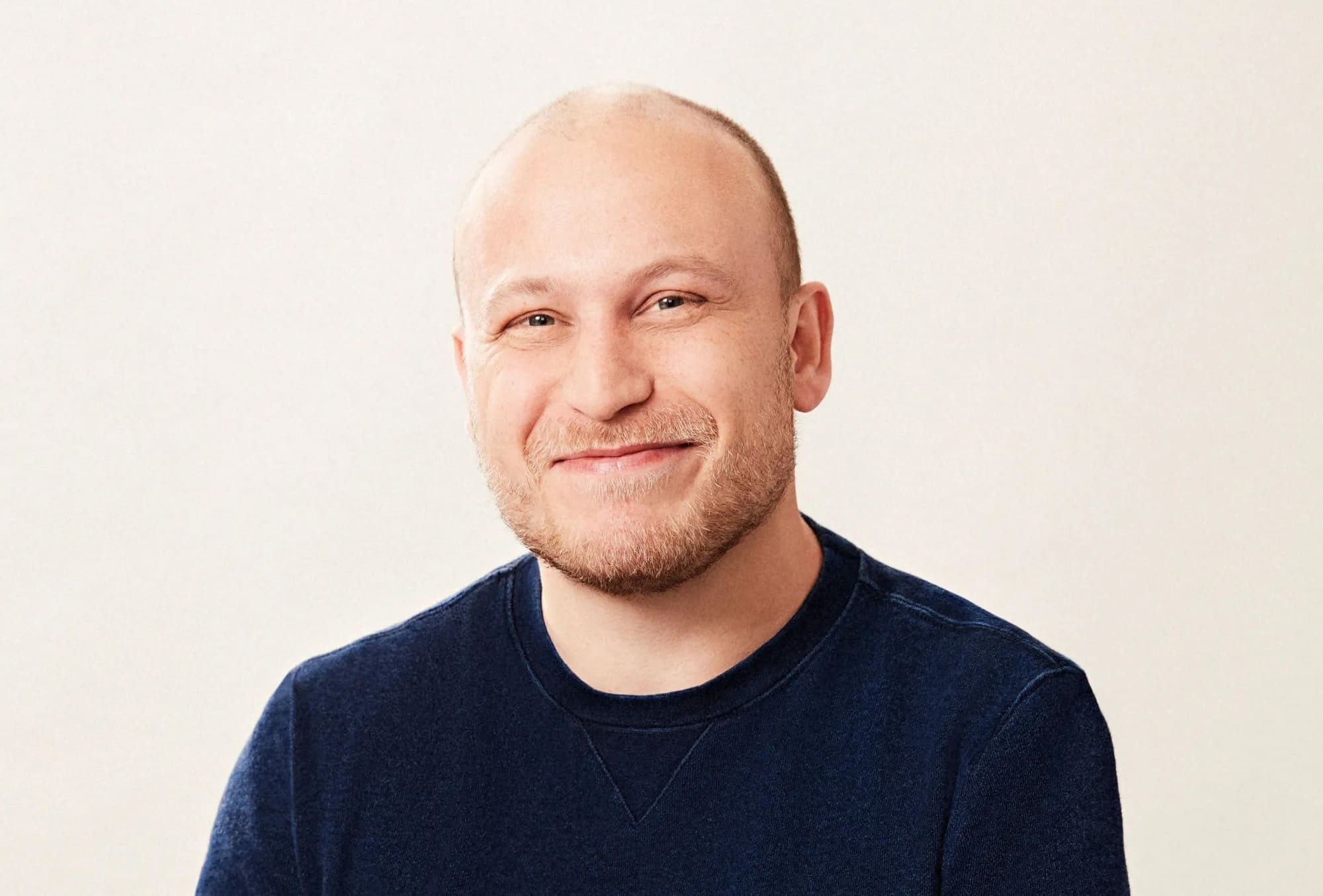
N°007
T-Primitive BuilderEngineering · Anthropic
On Claude Code, terminal-native AI engineering, and what the agentic-loop primitive actually feels like in production.

N°008
Comb OperatorFounder · PSPDFKit · Indie operator
A career in application-layer infrastructure, from the PSPDFKit acquisition to the post-exit life of an operator who keeps shipping anyway.
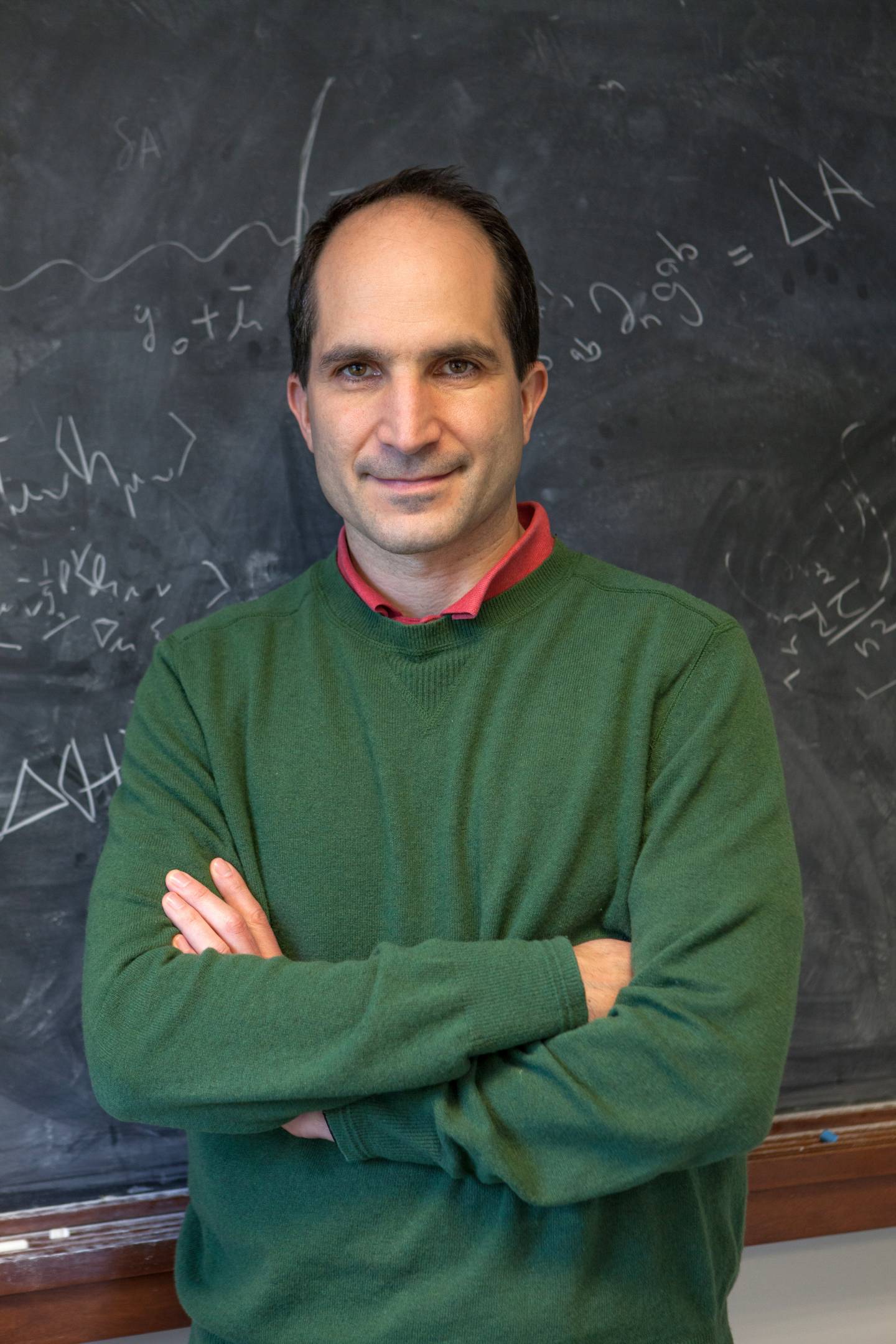
N°009
I-Beam TheoristTheoretical physicist · Institute for Advanced Study
The author of AdS/CFT — the paper that shows up, twenty-eight years later, as the structural backbone of one of the leading frontier labs.

N°010
Comb OperatorBiological engineer · General Partner, Flagship Pioneering
From gold nanoparticles that signal each other inside a tumor to an AI that runs the scientific method itself — Flagship’s convergent industrialist, read as a single instinct climbing four levels of abstraction.

N°011
Comb OperatorCo-founder · Aware
Architect of real-time collaboration governance: from adversarial signal intelligence to the enterprise human metadata perimeter, then outward into Columbus regional venture infrastructure.

N°012
Comb OperatorFounder & Former CEO, Mimecast | Protocol Infrastructure Architect
The South African operator who wagered on SMTP as the unowned connective tissue of global enterprise, armored it with MimeOS for two decades, and later redeployed the same systems instincts to socio-ecological infrastructure in post-apartheid South Africa.

N°013
Dash Velocity GeneralistEx-xAI Grok Imagine Lead · Recipe-Transfer Specialist
Led the small team that built Grok Imagine from zero to v0.9 in three months, then argued the next leap in video and world models will come from LLM orchestration, context management, and agent harnesses rather than raw video scaling alone.
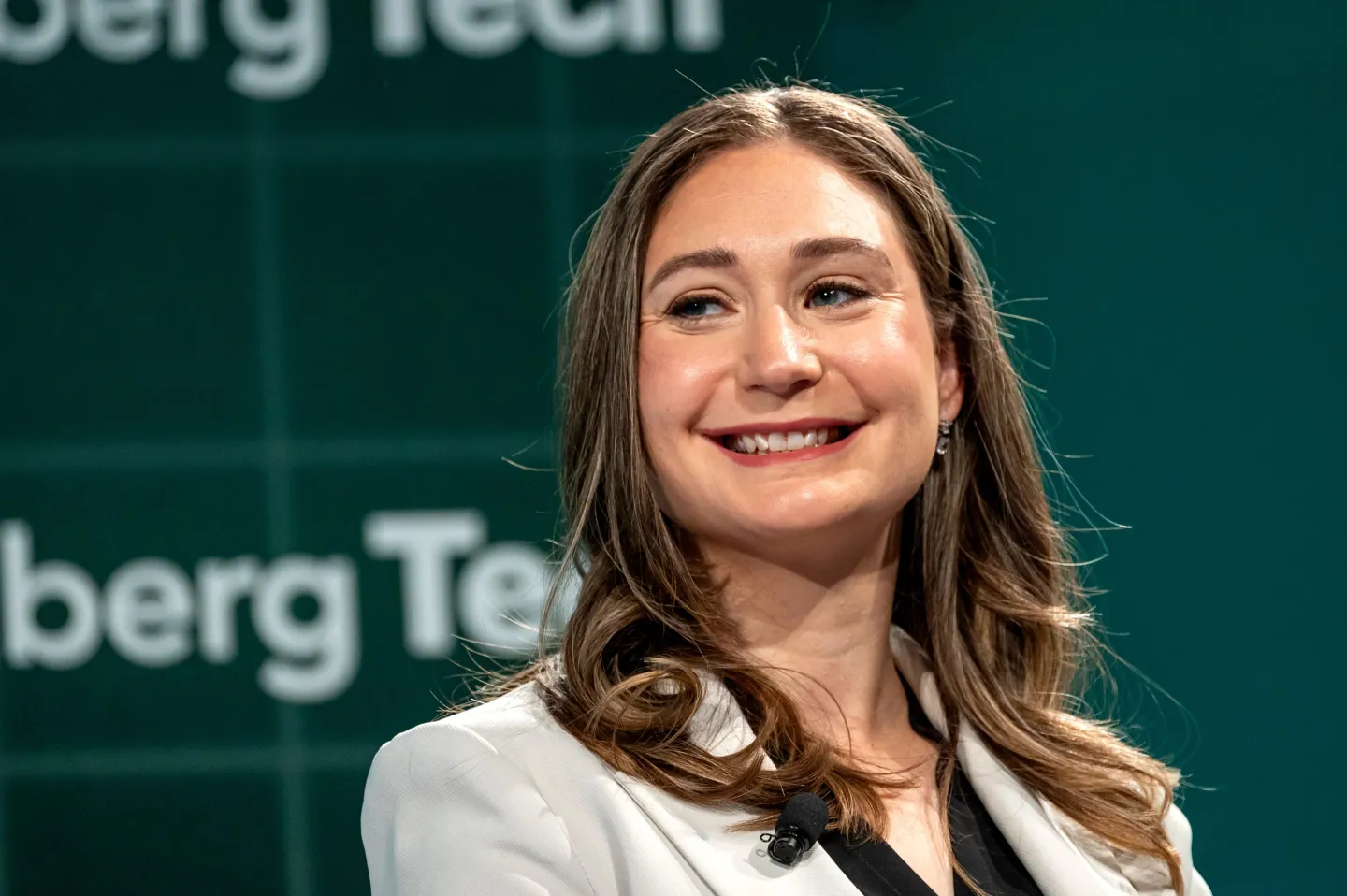
N°014
Comb OperatorCo-founder & President, Anthropic · Institutional Architect of Safe Scaling
The bridge-shaped conductor who turned humanities judgment into the load-bearing organizational architecture for frontier AI. Designed the PBC + Long-Term Benefit Trust dual-architecture model that lets safety compete with capability inside a $380B company.

N°015
Comb OperatorDeveloper Influencer & Architect of the T3 Stack · Ping Labs
Turned personal media leverage into structural influence over the modern Next.js and TypeScript ecosystem through create-t3-app and the T3 Stack.

N°016
π-BridgeFounder & CEO, Axiom Math
The 24-year-old Stanford mathematician building the verification substrate for mathematical superintelligence and verified autonomous systems.

N°017
I-Beam TheoristSVP of Open-Endedness, Lila Sciences | Pioneer of Neuroevolution & Open-Ended Search
The architect of serendipity. From NEAT and PicBreeder’s discovery that complex targets emerge only when objectives are abandoned, through POET, ELM and the FER hypothesis, to open-ended physical discovery at Lila Sciences — proving that in deceptive landscapes, refusing to aim at the goal is the only reliable path to it.
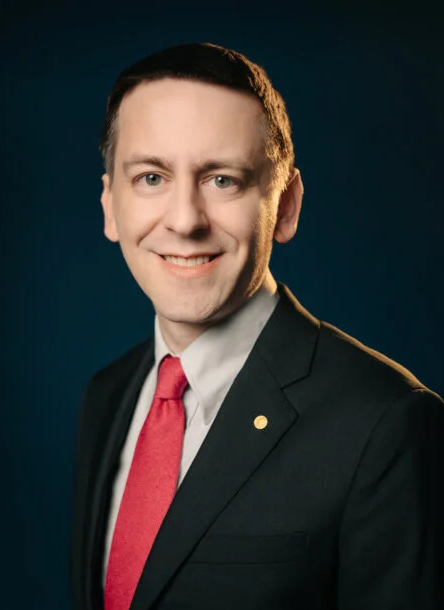
N°018
π-BridgeTechnical architect of AlphaFold · Chief Scientific Officer, Isomorphic Labs
From solving protein folding to forcing AI to close the loop with physical reality in drug design. Jumper represents the shift from "AI that reads biology" to "AI that writes biology under experimental constraint."

N°019
I-Beam TheoristCEO & Co-founder, Cerebras Systems
The hardware systems thinker who has spent two decades arguing that interconnect, not raw compute, is the real limiter at extreme AI scale — and built the largest chip in history to prove it.
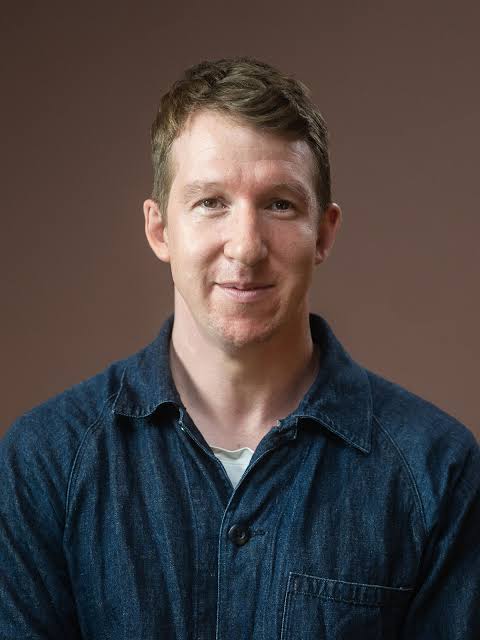
N°020
π-BridgeCo-founder & Head of Policy, Anthropic
The investigative journalist who turned Bloomberg evidence discipline into invisible guidance for frontier-AI governance: validate the premise, surface the benchmark, own the critique, then make the counterpart co-author the conclusion.
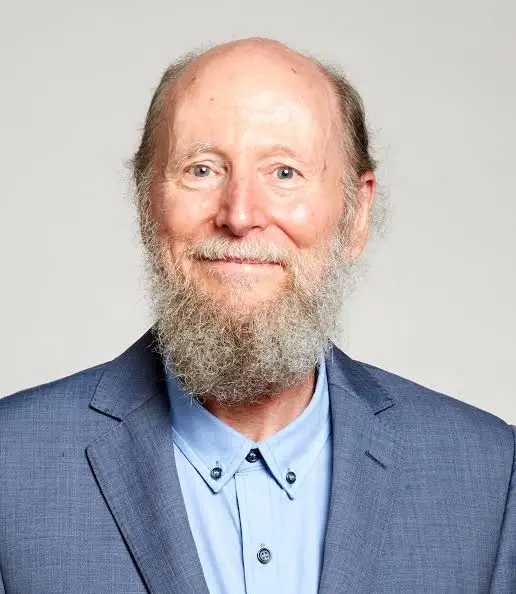
N°021
I-Beam TheoristReinforcement learning pioneer · Professor Emeritus, University of Alberta · Keen Technologies
The I-Beam theorist behind the reward hypothesis, reinforcement learning’s modern grammar, and the Bitter Lesson: intelligence is learned from experience, not handed down as human knowledge.
N°037
π-BridgeCo-Founder & CEO, Google DeepMind
Transcompiled biological memory consolidation into agentic reinforcement learning. Built the generative simulation engine that solved the 50-year protein folding grand challenge.
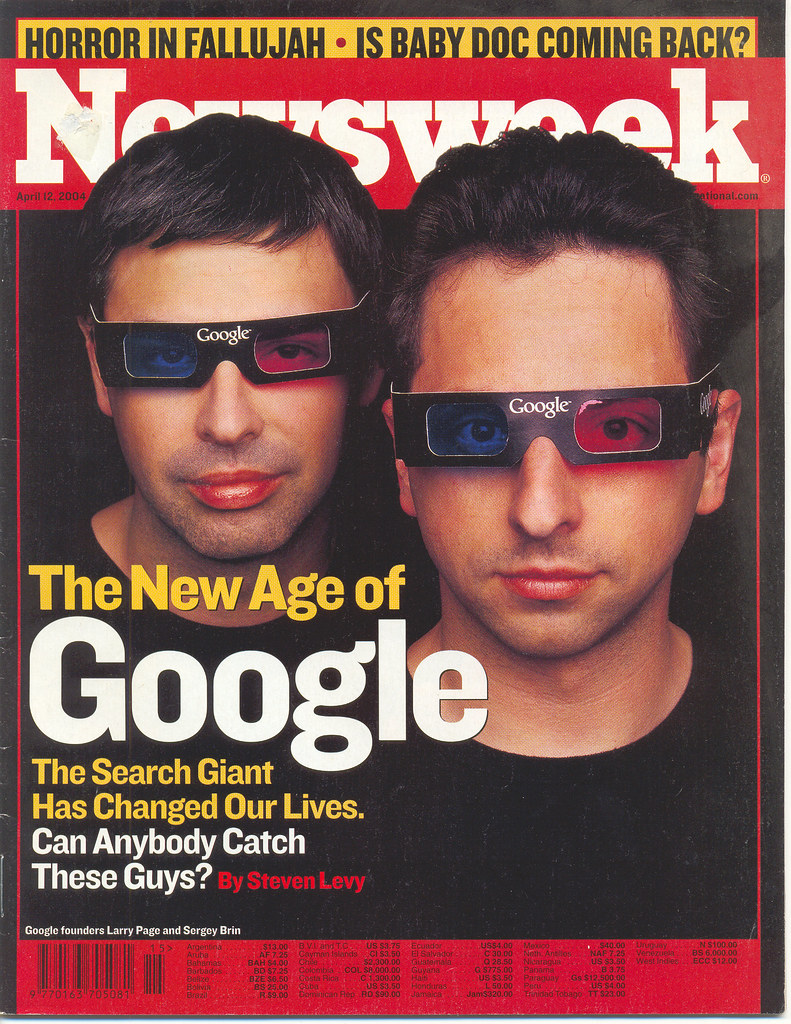
N°016
I-Beam TheoristCo-founder, Google · The Bottleneck Operating System
Recurring founder-mode operator who re-embeds at the rate-limiting layer of the stack — PageRank infra, Android, Gemini pre/post-training, and the 2026 DeepMind agentic coding strike team — to reset incentive gradients and keep the long-horizon bet in focus.

N°011
Comb OperatorCTO, Lila Sciences · Co-founder & Deputy Editor, NEJM AI
The constraint engineer who installs statistical pattern recognition as the operating system of the scientific method, then bolts it to physical hardware so the universe itself can serve as the causal validator. From NICU causal hybrids to Generate proteins to Lila’s closed-loop AI Science Factories.
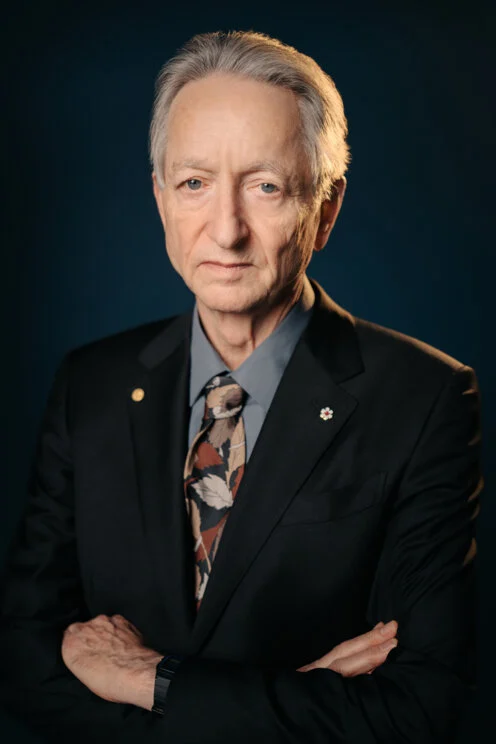
N°016
I-Beam Theorist2024 Nobel Laureate in Physics · University of Toronto · Google Brain
Smuggled an entire physics ontology of emergent order into AI’s operating system. 2024 Nobel Laureate in Physics, mentor to Ilya Sutskever, and pioneer of the modern deep learning paradigm through physics-informed architectures.
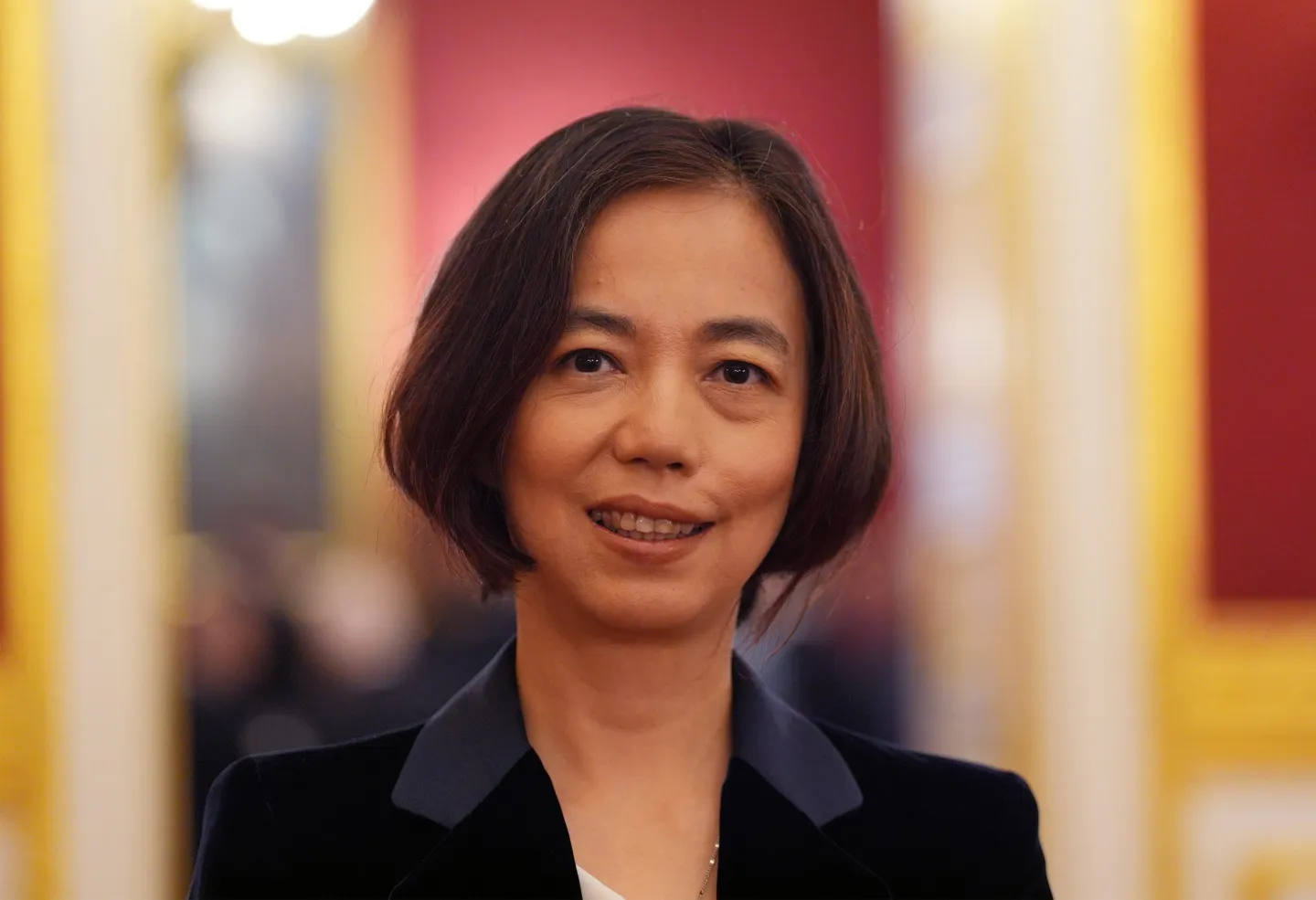
N°016
Comb OperatorCo-founder & CEO, World Labs · Sequoia Professor, Stanford CS
From ImageNet annotations to the simulation substrate that makes spatial intelligence possible. Co-founder and CEO of World Labs.

N°022
Comb OperatorCreator of Symfony · CTO of Upsun
From standardizing PHP with Symfony to engineering deterministic cloud platforms at Upsun — Potencier has spent two decades defining developer experience and verifiable execution loops.

N°016
I-Beam TheoristDirector of Product Management, Ibexa (QNTM Group) · Architect of Focus Mode & Agent Constraint Layers
Ships the strict, executable constraint layers that let marketers and AI agents operate complex DXP and cloud infrastructure with focus instead of friction. From Ibexa DXP Focus Mode to Upsun MCP server.
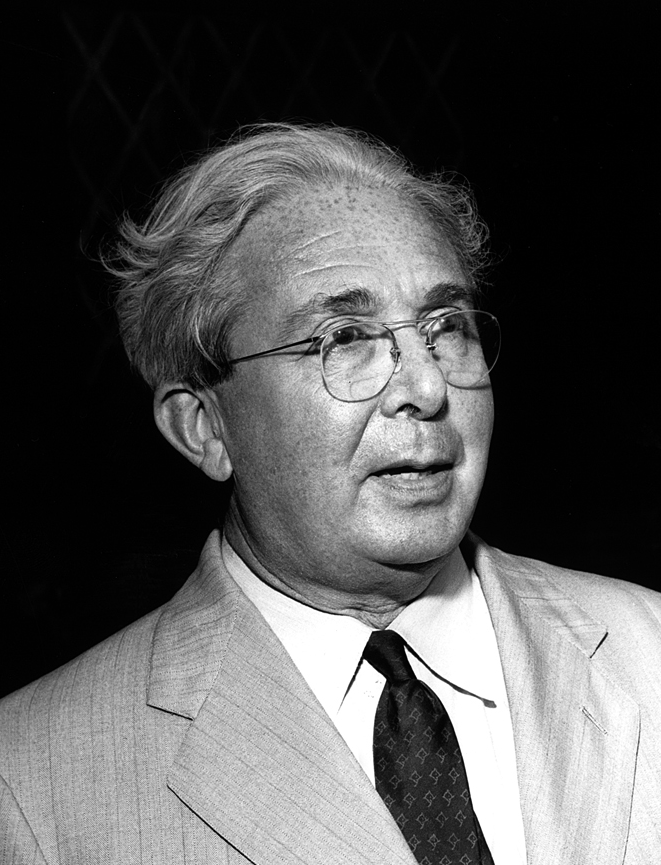
N°023
π-BridgePhysicist · Molecular biologist · Architect of containment
Dario Amodei rejected the AI Oppenheimer label and named Szilard instead. Read literally, Anthropic becomes a structure-preserving map of Szilard’s life onto a new exponential: see the curve early, build the cage, mobilize the sovereign, lose the key.
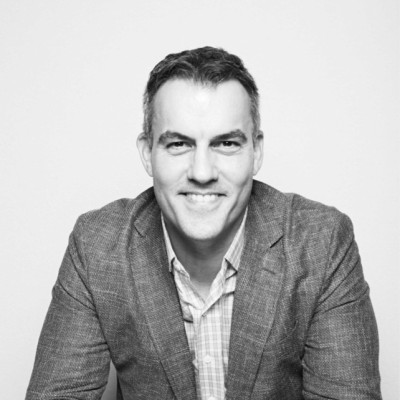
N°015
Dash Velocity GeneralistChief Revenue Officer · Tenable
The acceleration vector bridging developer-first operational realities with enterprise risk quantification frameworks, scaling complex security platforms through structural inflection points.

N°017
I-Beam TheoristChief Marketing Officer · Tenable
Extracts the singular, irreducible signal from technical complexity and projects it as a coherent narrative field that collapses market uncertainty into directed action.
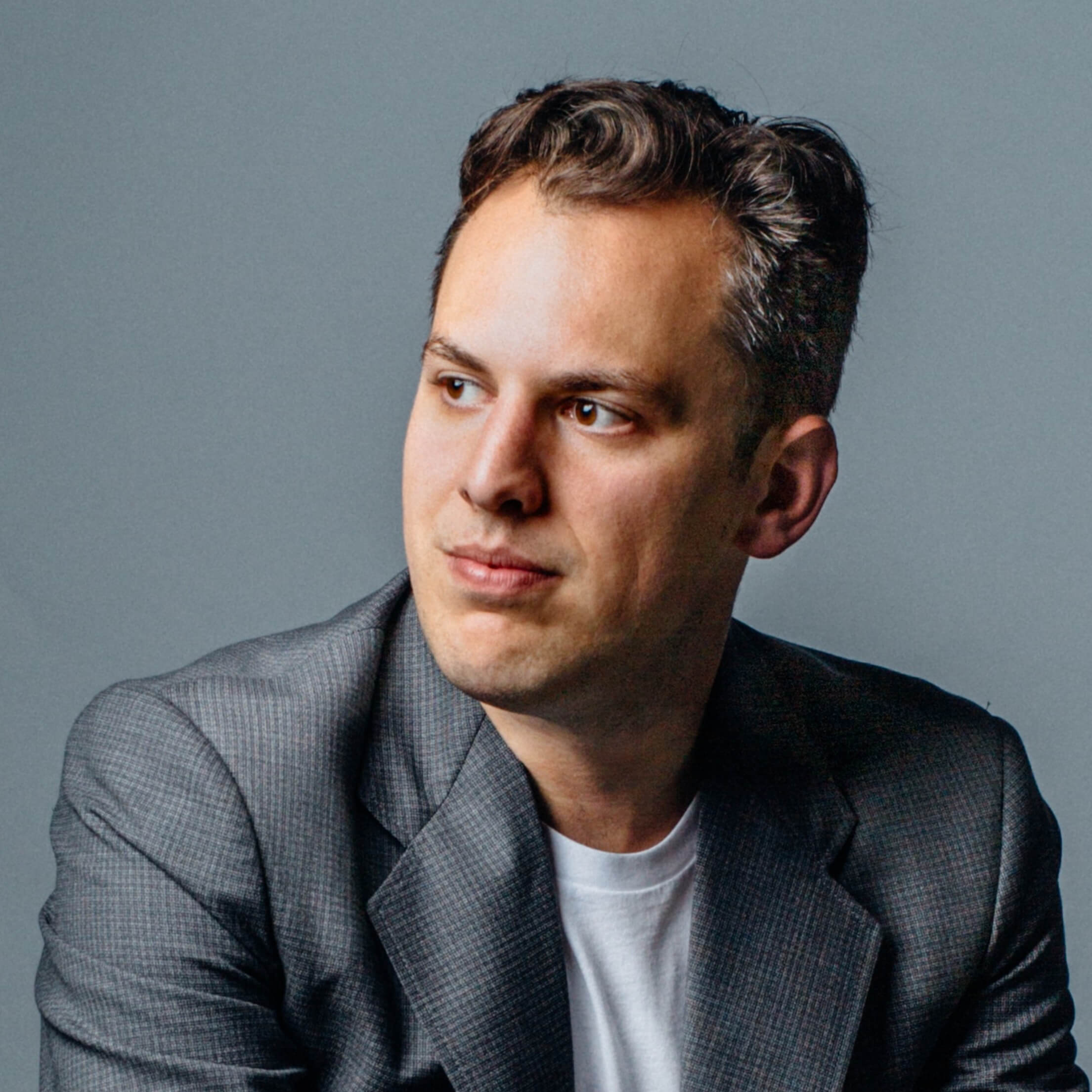
N°021
π-BridgeCo-Founder, Instagram · Head, Anthropic Labs
The architect of radical subtraction. From Instagram's billion-user platform to Anthropic Labs — one repeating move: enter a complex environment, cut everything that isn't load-bearing, build the harness that lets the signal compound at machine scale.

N°016
Comb OperatorChief Product & Technology Officer, ConnectWise
The leader who repeatedly unifies product and engineering into a single organism and aggregates fragmented systems into resilient, intelligence-ready platforms.
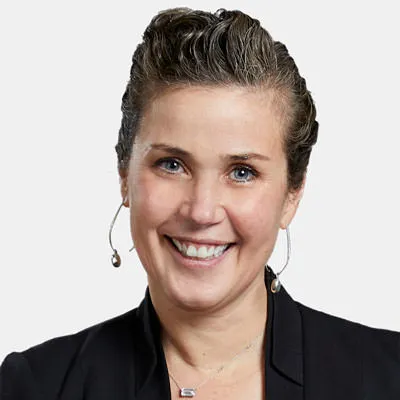
N°038
π-BridgeFounder, The Open Accelerator · Former SVP, Red Hat · Materials Scientist
From NASA fracture mechanics and truss-core composites to POWER9, RHEL, and The Open Accelerator: Chiras treats enterprise AI adoption as a structural load-path problem between prototype and production.
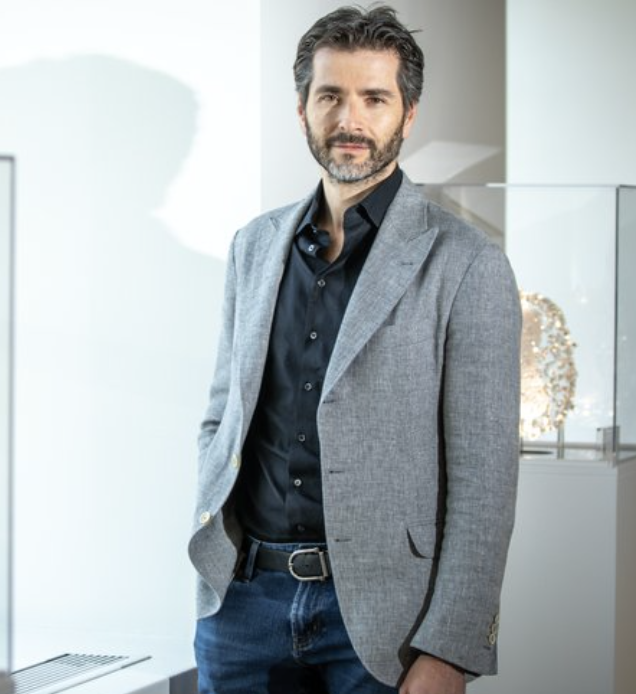
N°036
I-Beam TheoristManaging Partner, RA Capital · Founder, No Patient Left Behind · Virologist
A virologist turned evidence-based capital allocator who maps therapeutic landscapes through TechAtlas and treats patient access and biomedical innovation as coupled parts of one social contract.

N°039
Comb OperatorGlobal Head of Evangelism, Databricks · The Real Moneyball Guy
Three decades applying one move - signal isolation, human context modeling, governed democratization, and human stewardship - from sabermetrics to the Lakehouse.

N°040
π-BridgeCEO & Co-founder, Abnormal AI · Behavioral Security Architect
The π-Bridge founder who translated behavioral prediction from Twitter-scale advertising into an API-native security primitive — exposing the structural blindness of perimeter email gateways before colliding with platform gravity over AI visual grammar.

N°041
Comb OperatorCo-founder & CEO, Tulip Interfaces · Co-founder & Chairman, Formlabs
The physical-digital systems architect who keeps turning expert infrastructure into composable tools — from projected interfaces and professional desktop 3D printing to frontline applications authored by the people closest to the work.
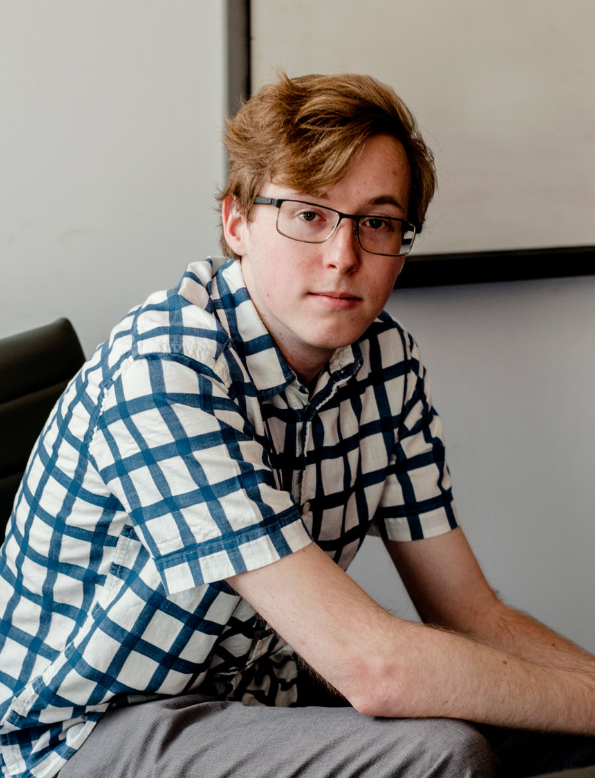
N°042
I-Beam TheoristAI researcher · Lead author, GPT-1 & Whisper · OpenAI (2016–2024)
A source-grounded reconstruction of the Generalization Program: the recurring research method that links DCGAN, the sentiment neuron, GPT-1/2/3, Image GPT, CLIP, DALL·E, Whisper, and the 2026 Talkie release—without turning a team science record into a lone-inventor myth.
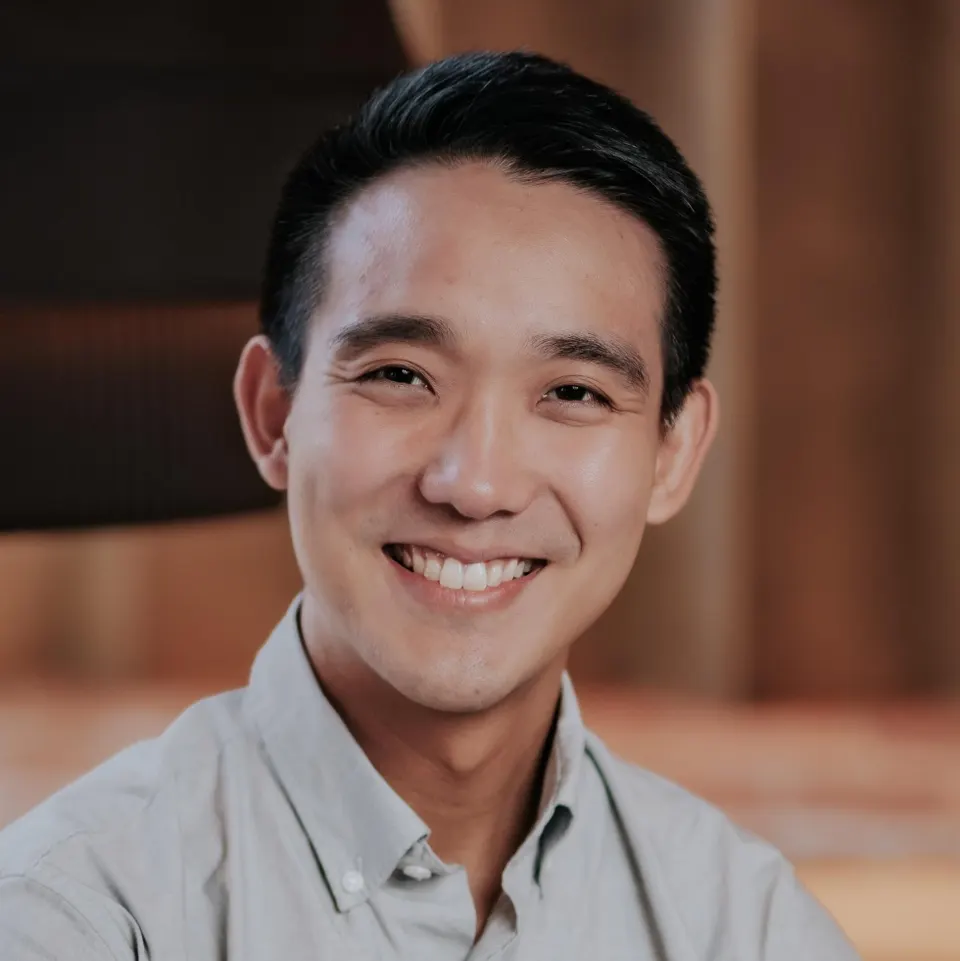
N°043
I-Beam TheoristCo-founder & CEO, Goodfire AI · previously Co-founder & CEO, RippleMatch
Replaces opaque matching systems with geometrically legible intentional interfaces. Walked away from an $80M-backed recruiting company to write the for-profit alignment thesis, then built Goodfire — proving neural networks think in curved manifolds, not linear directions — to a $1.25B valuation and Anthropic’s first direct corporate venture bet.

N°044
I-Beam TheoristCo-founder & Chief Architect, Anthropic
Projected AdS/CFT kinematic dictionaries into scaling laws and Constitutional AI — the purest case of architectural determinism in frontier AI.

N°045
π-BridgePhilosopher & Personality Alignment Lead, Anthropic
Translated infinite-ethics impossibility results and moral cluelessness into Constitutional AI and the training of Claude’s character.
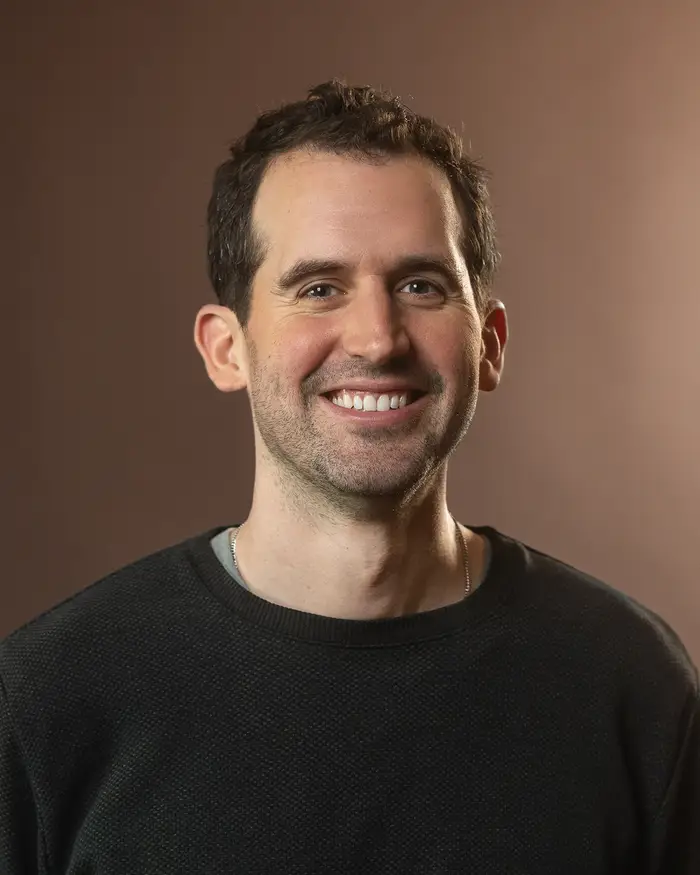
N°046
π-BridgeCo-founder & Chief Compute Officer, Anthropic
Collapses constraints — from ad servers to few-shot models to sovereign compute, export-control diplomacy, and the grid-level energy deals behind them.

N°047
Tree-Canopy AutodidactCo-founder & CEO, Formlabs · Accessible Industrial Fabrication
From the MIT Media Lab and a hacked Blu-ray laser to Formlabs: the hardware operator who collapsed industrial fabrication onto the desktop, then scaled it back into a high-throughput manufacturing platform.

N°048
Comb OperatorCo-founder & Product Engineering Lead, Anthropic
GPT-3 co-first author who left OpenAI because safety was not the top priority and built Anthropic’s product and Labs organizations so that helpful, honest, and harmless became shipping systems.
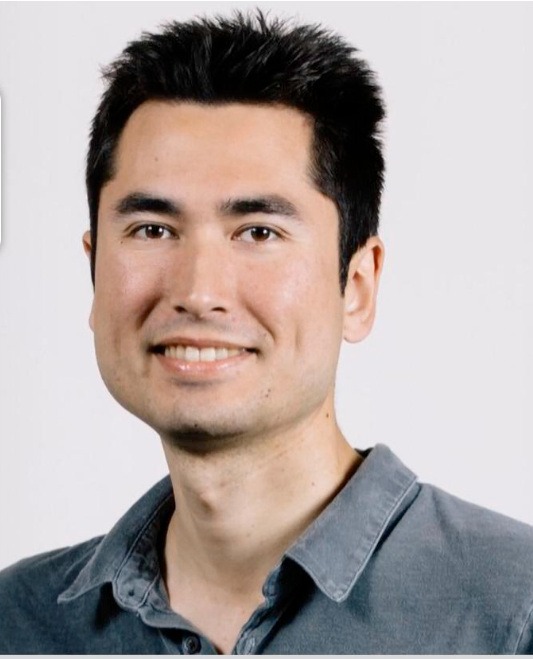
N°049
Comb OperatorDistinguished Engineer, OpenAI · Systems, Supercomputing & Robotics
Builds the missing intermediate layer that turns extreme capacity into research velocity—from Presto and frontier supercomputing to Triton and embodied intelligence.

N°050
Tree-Canopy AutodidactDirector, MIT Center for Bits and Atoms · Digital Fabrication
Treats the boundary between bits and atoms as a programmable interface—from ensemble quantum computing and Fab Labs to digital materials and machines that make machines.

N°052
I-Beam TheoristNeuroscientist · Director, Brain and Creativity Institute at USC · Author, Descartes' Error
From the Iowa lesion ward to metabolic grounding in machine learning — mapping somatic markers, homeostatic imperatives, and how feeling became the architecture of consciousness.

N°058
T-Primitive BuilderNovelist · Oulipo Foreign Correspondent · Cyberliterary Theorist
The novelist who framed composition as a combinatorial machine, built a computer-assisted narrative filter with Paul Braffort, and reserved the final selection — the clinamen — for human judgment.
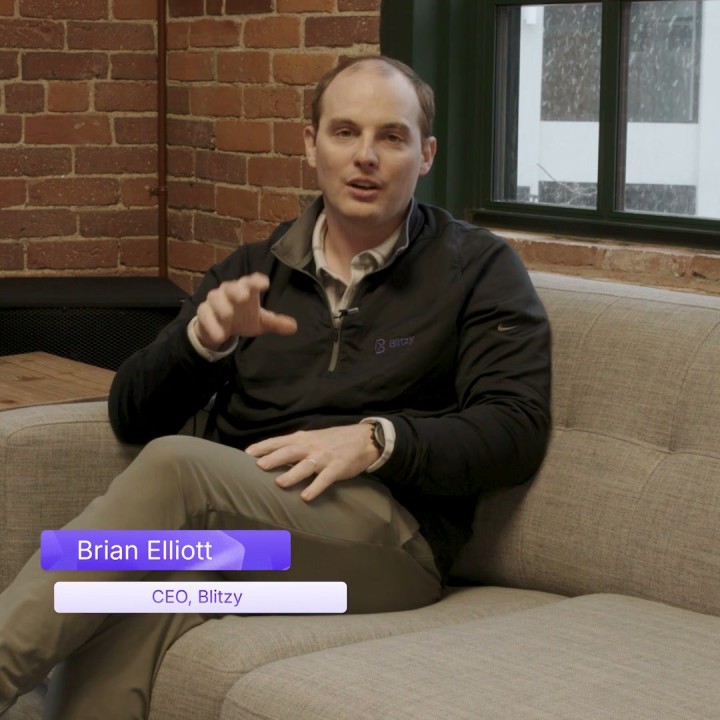
N°055
Comb OperatorCo-founder & CEO, Blitzy · Architect of Grounded Autonomy
The systems operator who refuses to automate a local task before mapping the environment around it — from operational simulation to whole-codebase grounding, multi-agent execution, and the verification loops that make autonomy governable.
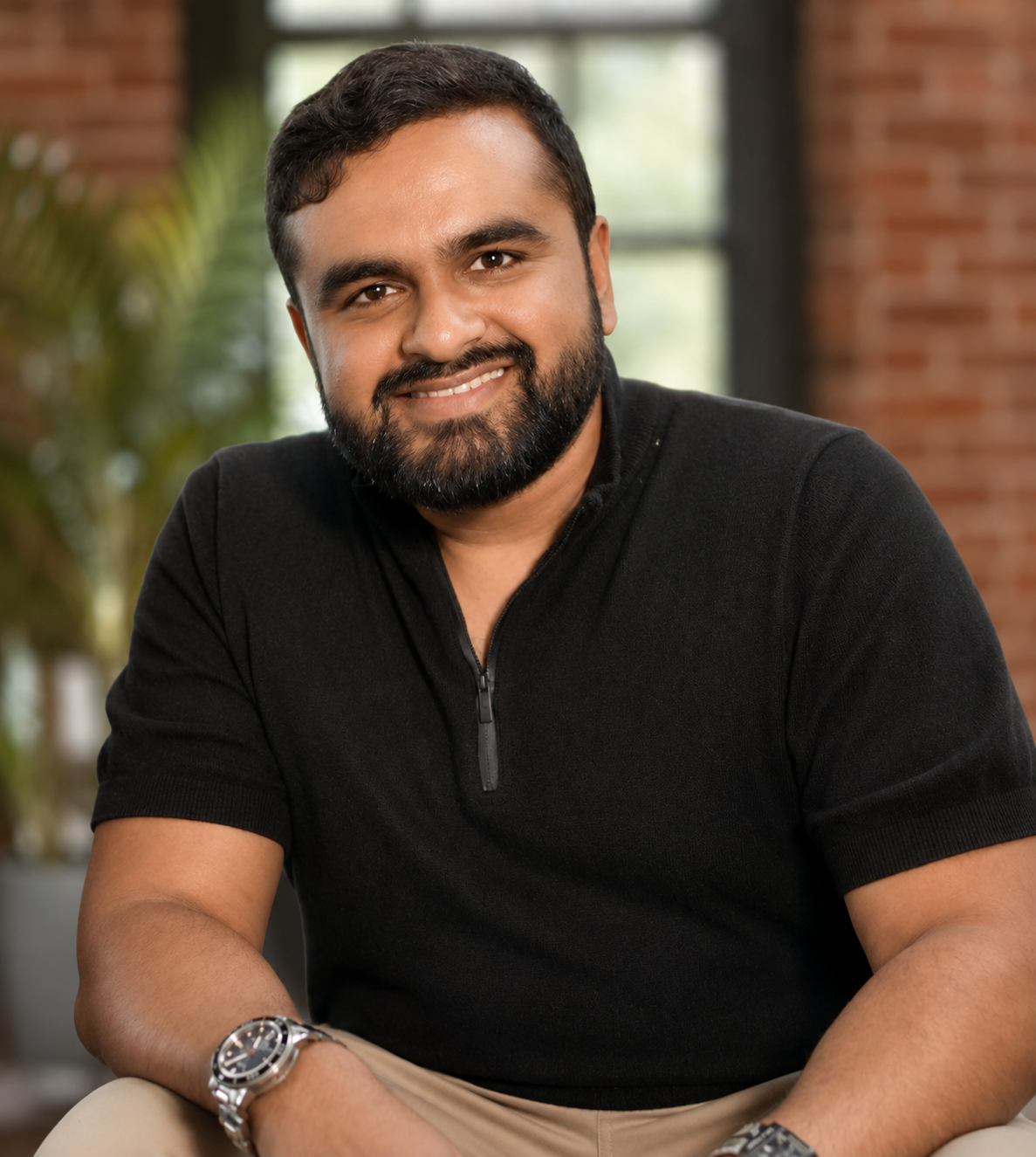
N°056
T-Primitive BuilderCo-founder & CTO, Blitzy · Inventor-Founder
The systems architect who spent years teaching neural networks to model one environment before translating another — then applied the same instinct to repositories, agent orchestration, and software acceptance.
N°057
Tree-Canopy AutodidactEmmy & duPont-Columbia Award-winning investigative journalist · Author, The Menendez Murders
Thirty-six years with one story. From the first pre-arrest interviews in 1989 through the 2023 habeas petition, Rand pioneered longitudinal journalism — staying with a case long after the news cycle moved on.
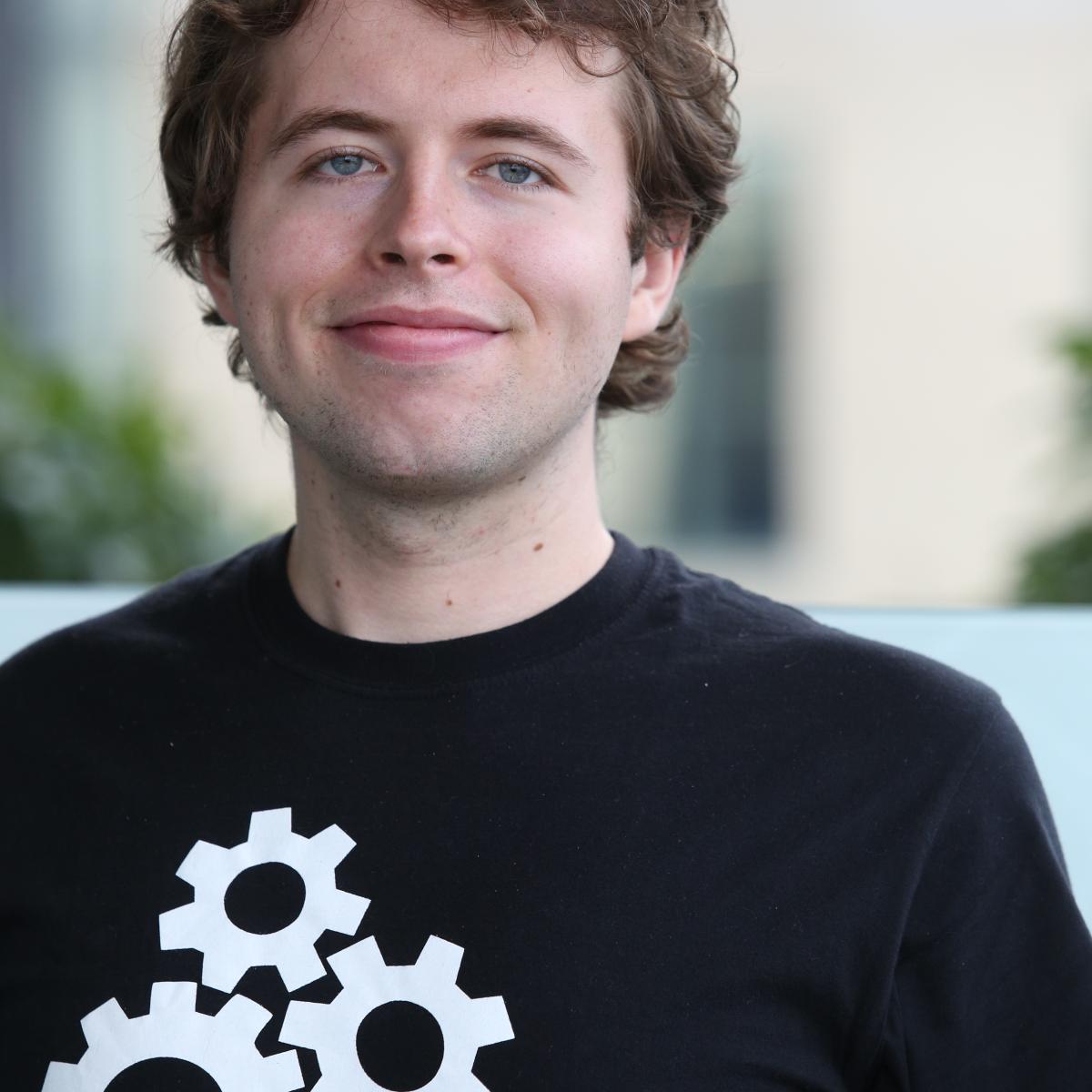
N°059
I-Beam TheoristChief Scientist, OpenAI · The Verifier-Optimizer
From competitive-programming judges and nearly linear convex optimization to OpenAI Five, GPT-4, reasoning RL, and automated AI research — one optimization spine widening until verification and control become the binding constraints.

N°060
π-BridgeCEO, Showpad · The Managed Mass-Customization Operator
From parallel-file-system research and IBM’s first commercial SaaS to a regulated payments P&L, a $405M Skillsoft unit, and the Showpad–Bigtincan combination — one operator standardizing the expensive core, preserving customer-specific variation at the edge, and refusing to count adoption until it moves an operating metric.
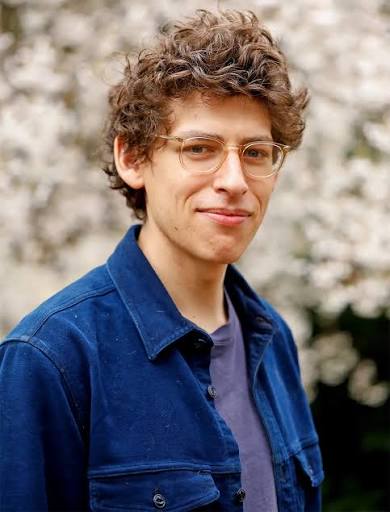
N°061
π-BridgeAnthropic · Former Google Blueshift · The Cartographer
A holographic theorist who drew Feynman diagrams for wide networks, co-wrote Explaining Neural Scaling Laws with Jared Kaplan, organized BIG-bench, and helped build Minerva — then turned up at Anthropic, the same company as his co-author.

N°062
Tree-Canopy AutodidactResearcher · Goodfire · Mechanistic interpretability
A core author of the Circuits program returned to his own canonical superposition example and argued that the field had misread it. The instruments, the reversal, and what remains to be tested.

N°022
Tree-Canopy AutodidactManaging Partner, Link Ventures · Founder, Cogo Labs & Vestmark · Co-founder, EverQuote
The architecture of an AI venture syndicate: 10+ petabyte consumer clickstream data oracle, Kendall Square talent capture, and captive capital compounding across twenty-five years.
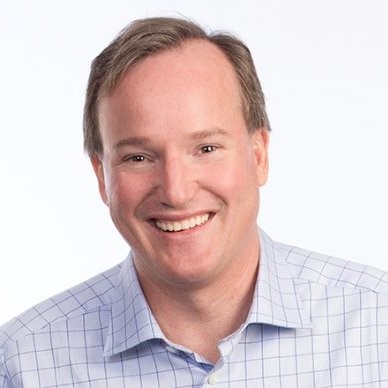
N°063
Comb OperatorCo-founder & General Partner, Flybridge Capital Partners
The Flybridge investor who backed MongoDB's developer-led insurgency and now invests across AI infrastructure and agentic applications. His recurring play: recognize a shift in purchasing power, access the right founders, and compound influence through capital and governance.
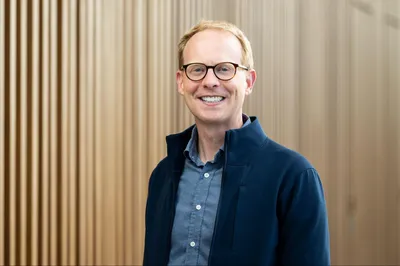
N°062
π-BridgeVice President, Google Labs · Gemini app · AI Studio
Argues that frontier work needs an independent lab team — an “almost possible” list, eyes instead of dashboards at zero-to-one, and kill decisions the team makes itself. Built from a single episode; every claim is tagged.
Methodology · A category I define
Agentic Content Marketing is the content function rebuilt as software - a four-part discipline run by a Mixture-of-Expert-Agents loop under a human editorial membrane.
01
Turn founder, customer, and market signal into durable narrative assets.
02
Design the corpus so humans, crawlers, and LLMs can retrieve the same thesis.
03
Run research, drafting, audit, and adversarial review as a repeatable MoEA loop.
04
Ship for search, social, sales enablement, and AI answer surfaces at once.
Available for retainer & senior full-time roles contact →
Live from the research notebook
Field notes from inside the context window.
The full archive from bretkerr.substack.com — 1000 posts, newest first. Hover a tile to peek. Click to open in place, or link out for the older ones.
§ · Audio Overviews · Gemini Deep Research
The public record, dispatched in audio. Gemini Deep Research summaries from the research notebook — each one a single take, each a provisional verdict.
ISSUE №003·STRATEGIC BRIEFING·14:52
Two philosophies of alignment, one contested frontier
ISSUE №004·STRATEGIC BRIEFING·16:21
Machines of Loving Grace, written in uranium
ISSUE №005·STRATEGIC BRIEFING·18:04
Data-center concrete, substation copper, the build-out beneath the hype
ISSUE №006·RESEARCH NOTEBOOK·13:47
Deceptive alignment, now with quarterly earnings
ISSUE №007·RESEARCH NOTEBOOK·15:33
What a repository metadata slip told us about Kaplan's scaling geometry
ISSUE №008·POLEMIC·12:18
Two institutions, two kinds of dissolution
ISSUE №009·RESEARCH NOTEBOOK·17:12
Hassabis, the hippocampus, and the episodic-memory architecture
ISSUE №010·POLEMIC·11:46
When evidence stops being probabilistic, juries stop being juries
ISSUE №011·STRATEGIC BRIEFING·14:09
Training data, employment contracts, and the quiet enclosure of cognition
ISSUE №012·POLEMIC·13:24
Stoicism sells because late capitalism needs Seneca more than Seneca needs us
ISSUE №013·COLLECTIBLE·10:51
Pop, physics, and the vocalist who keeps showing up in Maldacena's citations
ISSUE №014·RESEARCH NOTEBOOK·12:37
Acoustic calibration and the manufactured roar
ISSUE №015·POLEMIC·09:43
Muppet brand equity, endorsement economics, and the licensing of a misanthrope
ISSUE №016·RESEARCH NOTEBOOK·11:08
Locomotion, spinal mechanics, and an evolutionary case
Primary source lectures from the researchers behind the findings.
Deep dossier · Exclusive access
Analyzing the 2026 multimodal landscape: the strategic collapse of OpenAI Sora, the rise of Google's RAG-to-Video architectures, and Anthropic's serverless orchestration layer.
01 / Reasoning vs pixels
Why raw diffusion arrays are dumb, and how linguistic reasoning models supply the physical and visual intelligence of 2026 media layers.
02 / Market corrections
An autopsy on OpenAI’s consumer meltdown: $2.1M lifetime yields standing directly against multi-billion-dollar compute burns.
03 / Pipeline conversions
How Claude Opus 4.8 commands serverless GPU nodes to manifest lossless cinematics for mere pennies under full auditability.
§ · Gallery · No. 002
A field guide to the visual polemics, nano-banana dispatches, and 9×16 infographics assembled in the GemClaw loop.
Bret Kerr · ACRA Insight · Franklin, MA · Ongoing
FIELD NOTES
Documenting the frontier — one artifact at a time.
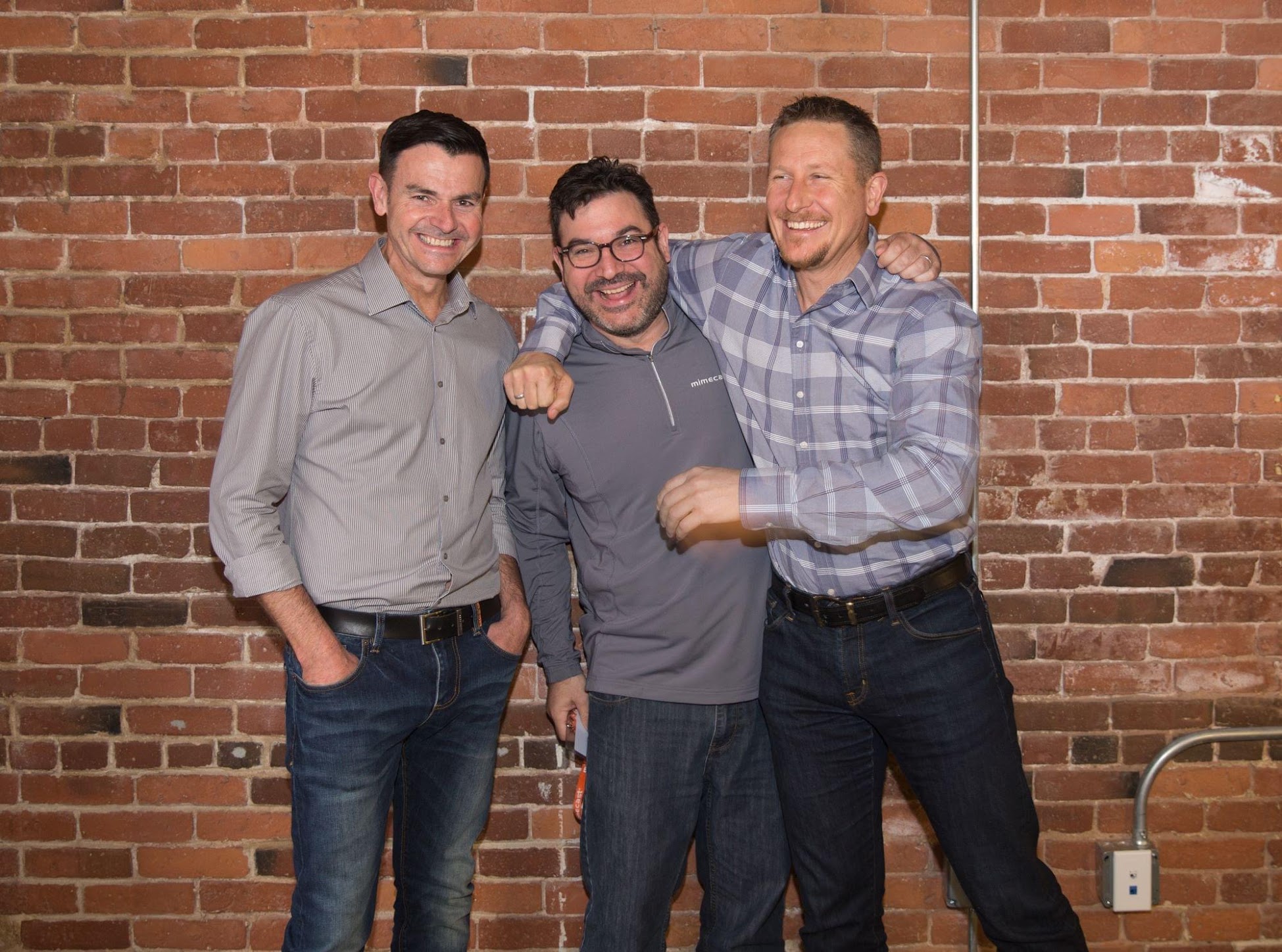
Mimecast HQ — Neil Murray, Bret Kerr, and Peter Bauer in the first video studio Bret built.
April 2016 · Watertown, MA

Bret Kerr holding up Jimmy Soni’s Claude Shannon biography A Mind at Play in front of the Anthropic brand activation for the Keep Thinking campaign and the Claude Sonnet 4.6 release — at Graydon Carter’s AirMail.
October 2025 · New York, NY
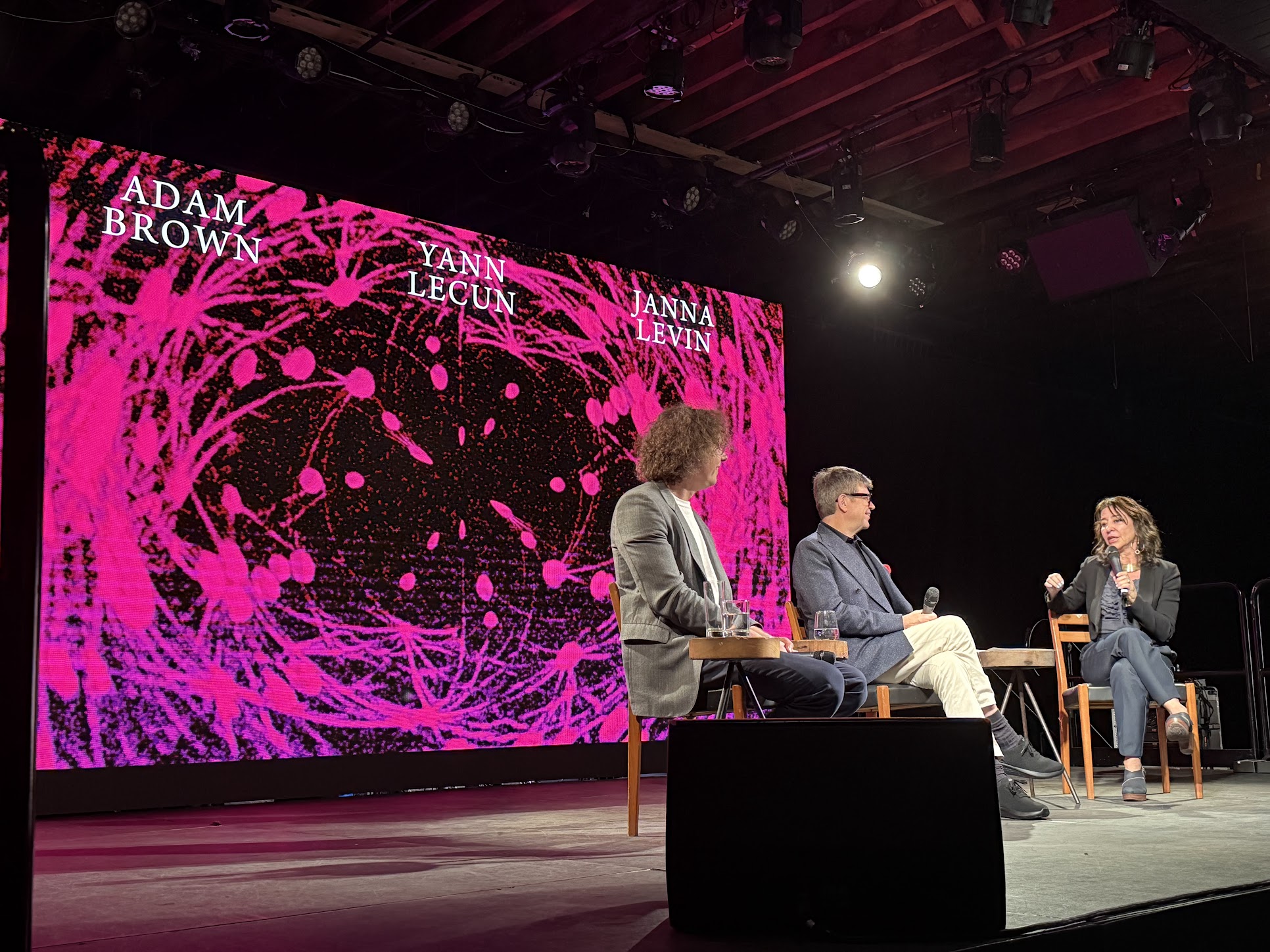
Theoretical physicist and Google DeepMind exec Adam Brown on stage at Pioneerworks in Red Hook, Brooklyn, next to AMI Labs CEO and machine learning pioneer Yann LeCun and astrophysicist & Columbia professor Janna Levin. Photo by Bret Kerr.
December 12, 2025 · Red Hook, Brooklyn
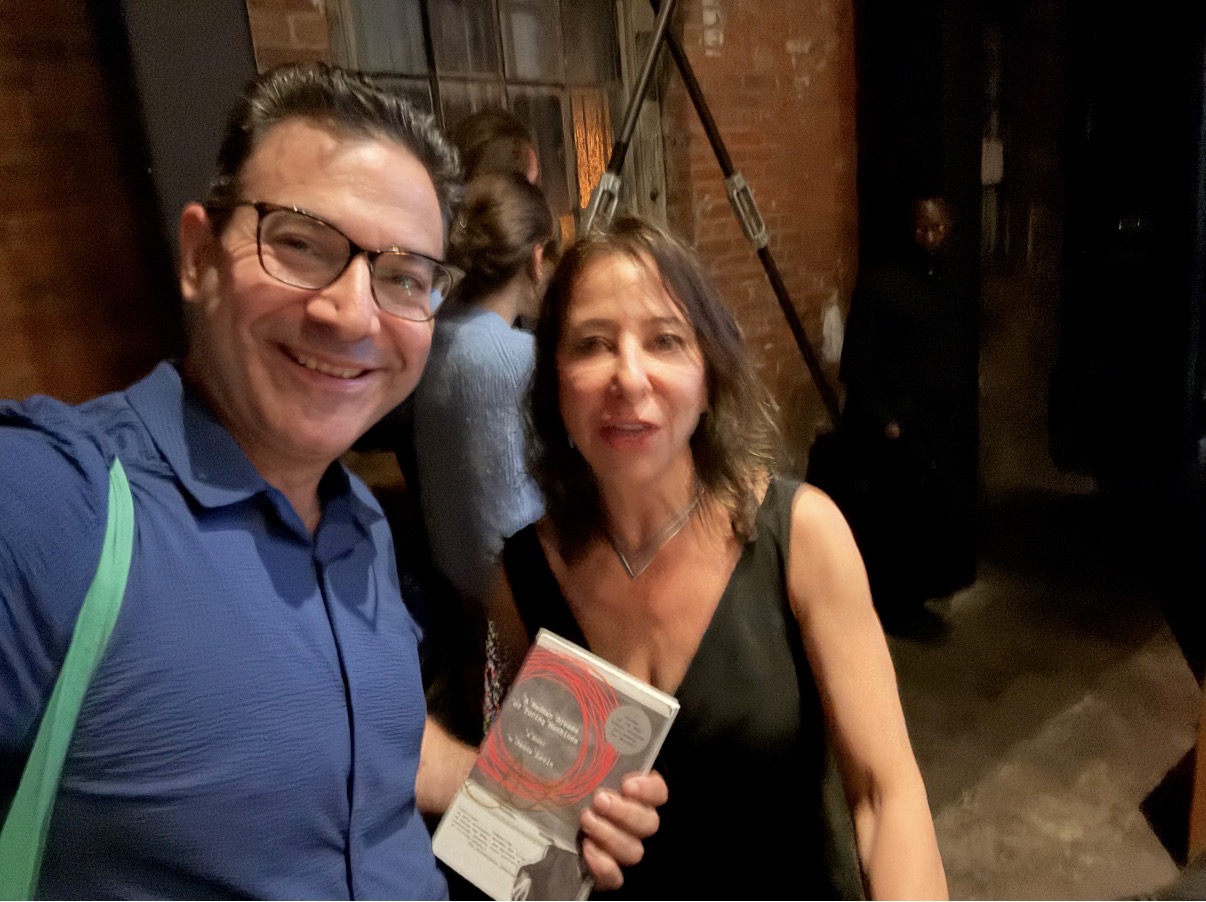
Author and founder Bret Kerr with author and astrophysicist Janna Levin, holding up her novel A Madman Dreams of Turing Machines at the Pioneerworks conversation with American writer Gary Shteyngart.
2025 · Red Hook, Brooklyn
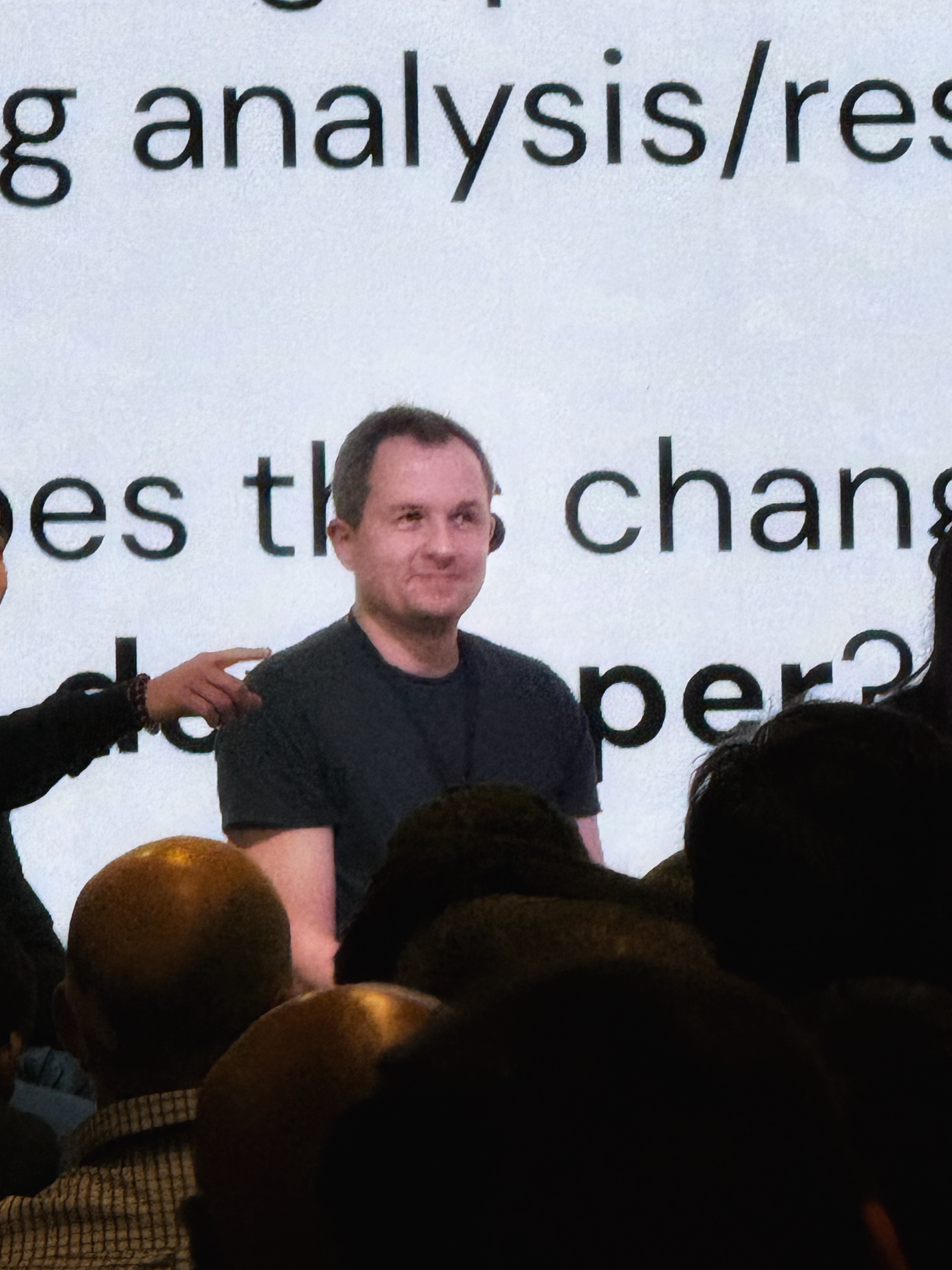
Anthropic technical director for MCP architecture Den Delimarsky at a Digital Jungle Agents & MCP event in the Mission, SF.
February 2026 · San Francisco, CA
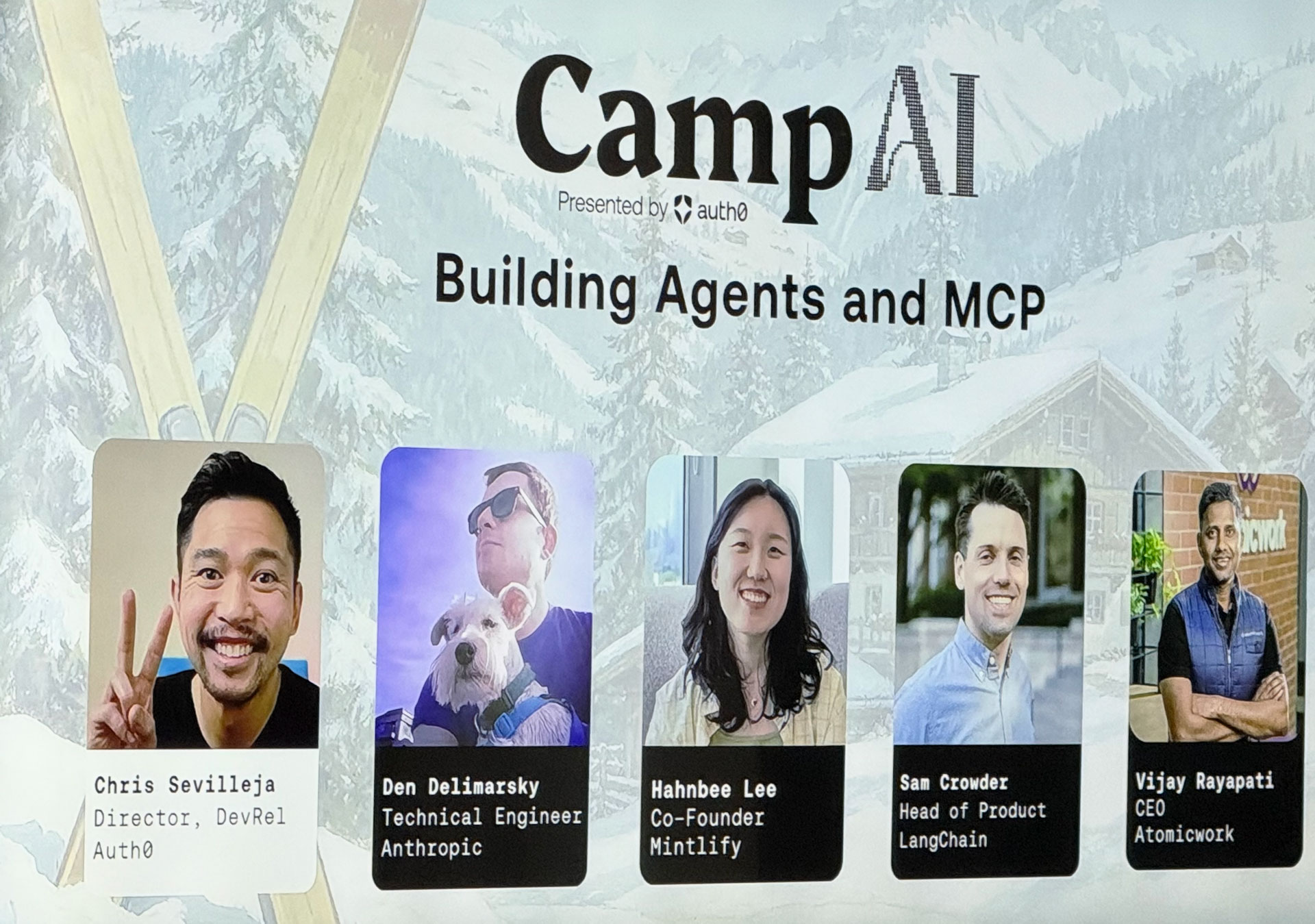
Camp AI: Building Agents and MCP— a Digital Jungle event in San Francisco.
2026 · San Francisco, CA
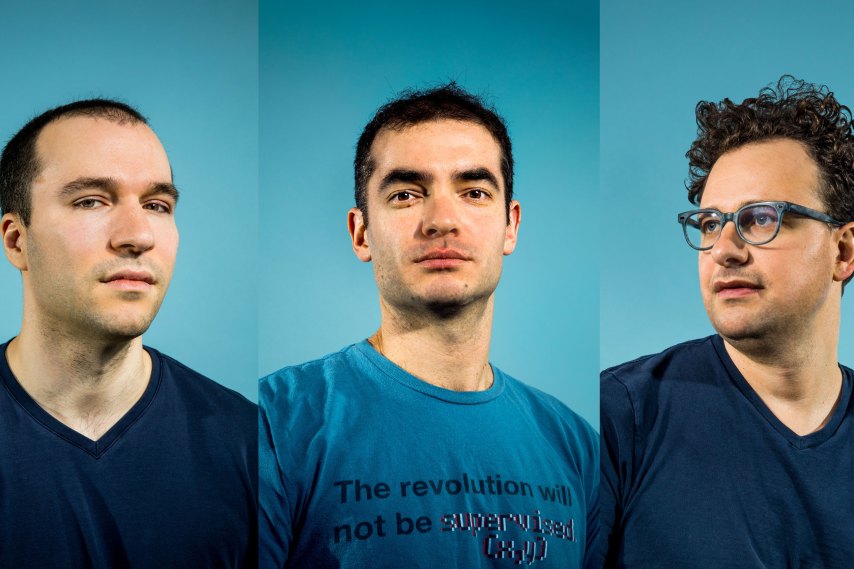
Archival MIT Technology Reviewcollage of Greg Brockman, Ilya Sutskever, and Dario Amodei — when they all worked at OpenAI.
2020 · MIT Technology Review
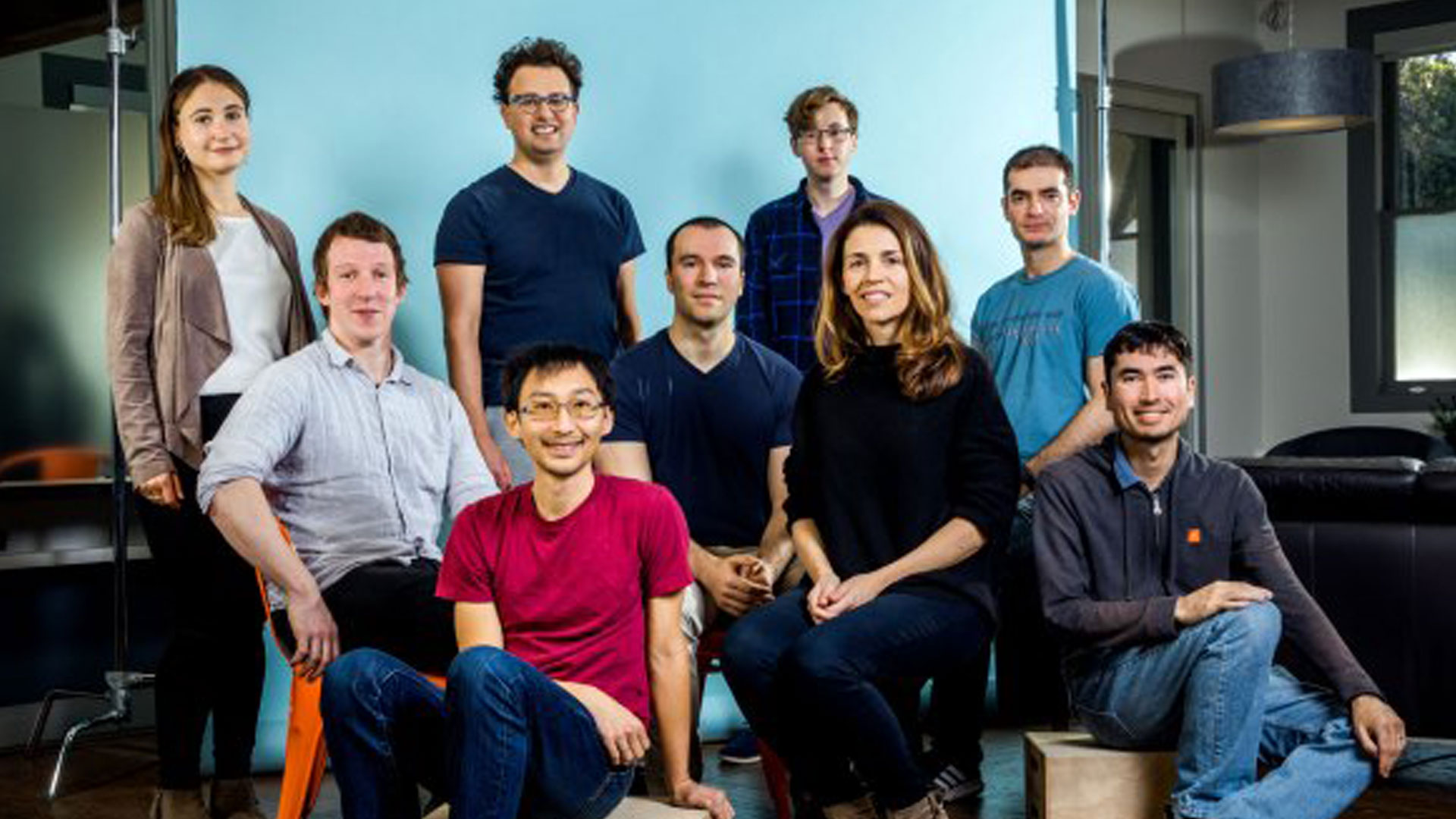
Archival MIT Technology Reviewphoto of the 2020 OpenAI safety research team — featuring future Anthropic co-founders Daniela Amodei, Jack Clark, and Dario Amodei; current OpenAI president Greg Brockman; and SSI CEO Ilya Sutskever.
2020 · MIT Technology Review
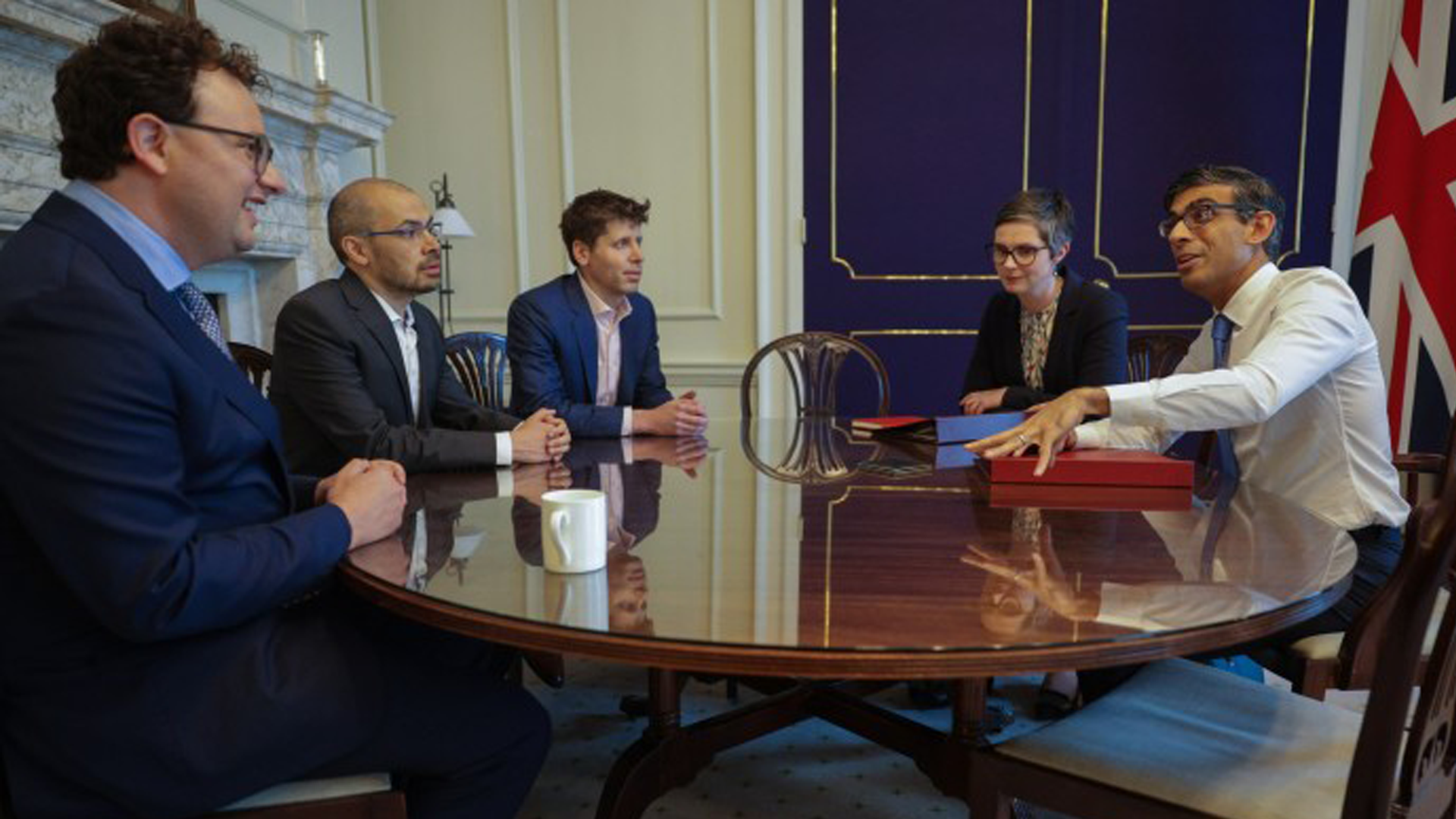
Archival: Anthropic CEO Dario Amodei, Google DeepMind CEO Demis Hassabis, and OpenAI CEO Sam Altman meet with UK Prime Minister Rishi Sunak and Secretary of State for Science, Innovation & Technology Michelle Donelan at 10 Downing Street, London.
May 24, 2023 · 10 Downing Street

Founder Bret Kerr’s “Analog RAG” — a curated shelf of AI and research books. Curation as a force.
Field library · ongoing
Labs · Experiments
Long-form podcast interviews compressed into source-anchored interactive explainers and a live correlation matrix.
Open experimentOxford-style AI debate: two models, three rounds, one public verdict.
Open experimentA scrollytelling node on compression, cognition, and boundary conditions.
Open experimentEditorial covers and operator-grade reads on the AI papers that matter.
Open experimentNew feature · Design history
Context Jamming · Museum of Science, Boston
Eames Office · IBM · 1961
The Cold War exhibition that turned probability, topology, geometry, and calculus into machines—and never stopped moving.
Read the feature